
5 Powerful Ways Landscaping & Grading Prevent Basement Moisture in London Homes
If your basement smells musty or leaks after every storm, the solution usually starts outside. Many homeowners jump straight to interior waterproofing, but poor grading, blocked drains, and shallow window wells are often the real culprits. Fixing those issues keeps water out before it ever reaches your walls.
Let’s look at five powerful ways proper landscaping and grading—combined with professional window well installation—help stop basement leaks in London, Ontario.
1. Correct Grading Keeps Rain Away from the Foundation
Why Slope Matters
Your yard should slope away from your foundation on all sides. This is called positive grading. Even a small dip toward the wall can trap thousands of litres of water after a heavy rain.
In London, Ontario’s clay-heavy soil, water doesn’t absorb quickly. That means if the ground is flat—or worse, tilted toward your house—runoff naturally finds its way into cracks and window wells. Over time, that moisture causes foundation deterioration, musty odours, and even mold growth.
Quick Fixes for Poor Grading
- Add soil against the foundation wall so the ground drops about 2–3 inches per metre (5–8 cm per m) away from your home.
- Compact the soil gently and re-sod to prevent future settling.
- Keep mulch and flower beds a few inches below the siding line so water can’t wick upward.
Regularly inspect the perimeter after a storm. If you see water pooling near the house, you may need regrading or added drainage solutions.
2. Window Well Installation Prevents Basement Leaks
What Window Wells Actually Do
Window wells protect basement windows that sit below grade. They provide space for light and emergency exits—and when installed correctly, they drain water away from the window instead of collecting it.
Unfortunately, many older London homes have window wells without proper drainage. When they fill with water during rainstorms, that water often seeps through window frames or the joint where the wall meets the sill.
Professional Installation Makes the Difference
A professional window well installation includes:
- Excavating down to the footing or to a gravel drainage layer.
- Lining the base with clean stone and filter fabric to allow water to drain.
- Installing a vertical drain pipe tied into weeping tile or another drainage outlet.
- Sealing around the window frame and ensuring the well sits slightly above grade.
Adding a clear, vented cover also prevents leaves, snow, and debris from blocking the drain.
If you already have pooling water or moisture at the window, it’s a sign that your well is too shallow or its drain is clogged. Ashworth Drainage’s specialists can assess and repair or replace the well to protect your foundation.
3. Strategic Landscaping Guides Runoff Away from Your Home
Direct Water, Don’t Trap It
Landscaping is more than curb appeal—it’s one of the most effective tools for moisture control. Unfortunately, raised garden beds, decorative edging, or retaining walls often block natural runoff paths.
Here’s what smart drainage-friendly landscaping looks like:
- Swales — gentle, shallow channels that guide water to a lower area or municipal drain.

- French drains — gravel trenches with perforated pipe that collect and redirect surface water.
- Rain gardens — shallow, planted basins that temporarily hold water and let it soak into the soil.
Each of these solutions works with your yard’s existing topography to move water away from your house.
Want to DIY a Rain Garden?
If you’d like to try fixing soggy spots yourself, this helpful guide from Proven Winners explains how to select plants, create shallow basins, and integrate French drains to eliminate pooling in your yard.
Even small adjustments, like extending downspouts into a swale or installing edging that lets water flow freely, can make a big difference.
4. Fix Downspouts and Gutters Before Blaming the Basement
Roof runoff is one of the biggest contributors to wet basements. If your downspouts dump water right beside the foundation, no amount of interior sealing will help.
Here’s How to Improve Drainage Fast
- Attach downspout extensions that carry water at least six feet (two metres) away from the wall.
- Add splash pads at the end of downspouts to prevent soil erosion.
- Keep eavestroughs clear of leaves so they can handle heavy rainfall.
- If your lot is flat, connect downspouts to a buried drain pipe that discharges into a safe, sloped area or catch basin.
These small upgrades are often the most affordable way to stop seepage before it starts.
If your backyard is consistently saturated or you’re seeing standing water after storms, it’s worth scheduling a visit from Ashworth Drainage’s drainage experts. They can design a system that integrates grading, window wells, and drainage together.
5. Proactive Maintenance Keeps Moisture Away Long-Term
Even after fixing grading and wells, your property needs regular maintenance to stay protected. Seasonal changes, frost, and soil settlement can slowly undo your efforts.
Follow This Quick Maintenance Checklist
- Inspect your yard after every major rainfall.
- Clear window wells of leaves, twigs, and mulch buildup.
- Verify your slope is still downward from the house—top up low areas annually.
- Check gutters and downspouts each spring and fall.
- Add or replace well covers if they crack or warp.
Consistent attention to these details can prevent thousands of dollars in potential foundation repairs.
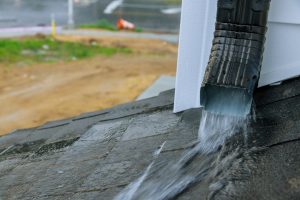
Bonus: Understanding Wet Basement Problems in London, Ontario
Many London homeowners experience water issues because of the city’s high water table and clay-rich soil. These natural conditions slow down drainage and increase hydrostatic pressure against foundation walls.
While interior waterproofing systems can help manage water that gets inside, exterior prevention methods—like proper window well drainage and grading—reduce the amount of water that ever reaches the wall.
If your basement leaks during storms, try the exterior fixes above first. They’re less invasive, often more affordable, and directly address the cause of most moisture problems.
When to Call a Professional
It’s time to contact a drainage expert if:
- Water pools near your house for more than 24 hours.
- Basement windows leak even after cleaning the wells.
- The slope around your home has visibly sunk.
- You notice persistent dampness, staining, or efflorescence on basement walls.
An inspection will include a full grading check, window well assessment, and recommendations for long-term moisture control.
If you’re dealing with backyard flooding or standing water, book an assessment with Ashworth Drainage’s team today—they’ve been helping London homeowners keep basements dry for over 70 years. You can contact them here to schedule your consultation.
FAQs
- Why is my basement wet after heavy rain?
Poor grading, clogged window wells, or short downspouts usually cause water to collect near your foundation and seep through cracks. Fixing slope and drainage first is the most cost-effective solution. - How deep should my window well be?
A window well should extend down to the footing drain or a gravel layer that leads to proper drainage—typically 15–18 inches below the window sill. - Should I install a window well cover?
Yes. A vented, clear cover keeps out leaves, snow, and rainwater while allowing light in and air to circulate. - Can I fix grading myself?
You can usually correct minor slope issues using soil and a shovel. For larger yard adjustments or consistent flooding, call a professional drainage company. - How do I know if I need a French drain?
If puddles remain near your house long after rainfall, a French drain or rain garden may be necessary to redirect water to a lower, well-drained area.