
5 Proven Basement Waterproofing Options in London Ontario: Interior vs Exterior Fixes to Prevent Future Water Damage
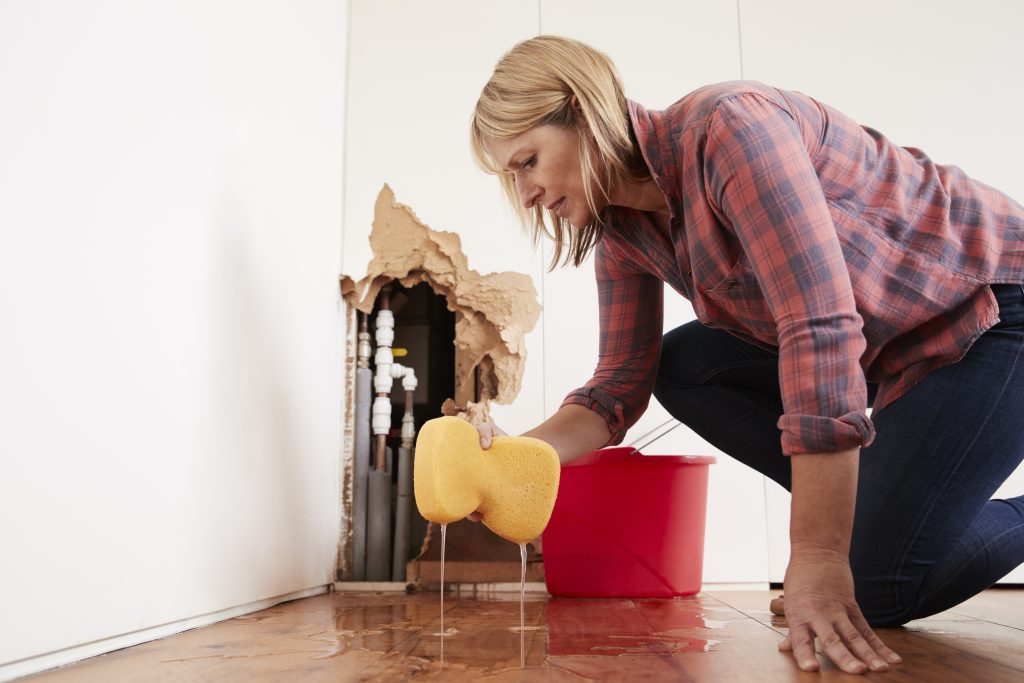
5 Proven Basement Waterproofing Options in London Ontario
If you keep searching for “basement waterproofing London Ontario,” you’re probably dealing with the same frustrations over and over: water on the floor, musty smells, and concern about long-term foundation damage. You may also be unsure whether you need interior waterproofing, exterior waterproofing, or a mix of both.
This guide walks through five proven waterproofing options, how each works in London’s climate, and how to choose the right fix so you can finally feel confident about your basement.
Why Basements in London Ontario Stay Wet
London homes face a challenging blend of environmental factors:
-
Clay and heavy soils that trap water around foundations
-
Large storms and intense rain events that stress older drainage systems
-
Freeze–thaw cycles that widen cracks and weaken foundation walls
The City of London’s own flooding guidance highlights issues such as poor grading, aging weeping tile systems, and downspouts tied into sanitary sewers as common causes of basement flooding.
That combination often leads to:
-
Seepage at the wall–floor joint
-
Water in window wells
-
Damp spots behind finished walls
-
Mold growth and musty odours
Stopping that cycle starts with understanding how interior and exterior waterproofing work.
Interior vs Exterior Basement Waterproofing at a Glance
Basement waterproofing generally falls into three categories:
Exterior Waterproofing
-
Stops water before it gets through foundation walls
-
Involves excavation, membranes, and new weeping tile
-
Offers long-term protection but is more invasive
Interior Waterproofing
-
Manages water after it enters
-
Uses drainage channels and a sump pump
-
Less costly, practical when exterior excavation is not possible
Drainage & Grading Improvements
-
Reduce the amount of water reaching your foundation
-
Often the best first step
Most homes benefit from a layered approach that improves drainage and uses interior/exterior fixes based on the severity of the problem.
5 Proven Basement Waterproofing Options
1. Exterior Excavation, Waterproof Membrane & Weeping Tile Replacement
For chronic or severe leaks, exterior waterproofing is often the most thorough solution.
A typical exterior system includes:
-
Excavating down to the footing
-
Cleaning and repairing cracks
-
Applying a waterproof membrane
-
Installing or replacing weeping tile
-
Backfilling with proper drainage stone and grading
Best for:
-
Significant wall leaks
-
Homes needing long-term protection
-
Properties where excavation is practical
Pros:
-
Stops water at the source
-
Reduces hydrostatic pressure
-
Offers long-term peace of mind
Cons:
-
Higher upfront cost
-
Disrupts landscaping, patios, or driveways
Many homeowners pair this work with other outdoor projects to minimize disruption.
2. Grading, Gutters & Surface Drainage Upgrades
Sometimes the best fix is above ground. Key improvements include:
-
Re-grading soil to slope away from the home at least 1.5–2 metres
-
Extending downspouts well away from the foundation
-
Cleaning gutters twice a year
-
Adding window well covers and drains
The City of London notes that clay soil and raised gardens or hardscaping can trap water against the home—eventually sending it into the basement.
Best for:
-
Early signs of moisture
-
Homes where water clearly pools near the foundation
Pros:
-
Lower cost
-
Supports all other waterproofing methods
Cons:
-
Not enough for major leaks
-
Requires regular upkeep
3. Interior Perimeter Drains & Sump Pump Systems
Interior perimeter drains (interior weeping tile) combined with a sump pump are one of London’s most common waterproofing solutions.
How it works:
-
A trench is cut along the basement perimeter
-
A perforated drainpipe is installed in gravel
-
Water flows into the pipe and drains to a sump pit
-
A sump pump discharges water safely outside
Interior systems are extremely effective at managing seepage, especially at the wall–floor joint.
Best for:
-
Ongoing seepage
-
Homes where exterior excavation isn’t ideal
-
Tight lots or high-cost exterior work
Pros:
-
Less expensive than full exterior work
-
Installed from inside
-
Works well with crack repairs
Cons:
-
Water still reaches the foundation wall
-
Relies on pump performance and power
-
Requires testing and maintenance
A battery backup pump is strongly recommended in storm-prone neighbourhoods.
4. Interior Crack Repair & Wall Coatings
Small leaks often come from visible cracks. These repairs typically include:
-
Identifying active cracks
-
Injecting epoxy or polyurethane to seal them
-
Applying a masonry waterproof coating on bare walls
These solutions work best when water intrusion is minor and drainage is otherwise adequate.
Best for:
-
Hairline cracks
-
Localized seepage
Pros:
-
Quick, targeted repair
-
Works well with interior drains
Cons:
-
Not suitable for major leakage
-
Must be paired with proper drainage

5. Backup Systems & Regular Maintenance
Even a well-installed waterproofing system needs upkeep. Useful upgrades include:
-
Battery backup pumps
-
Sump alarms
-
Annual sump pump testing
-
Clean gutters and downspouts
-
Check for new cracks or musty odours
CMHC recommends fixing moisture issues before finishing a basement, since trapped dampness behind drywall can lead to mould and long-term damage.
Basement Waterproofing Tips for London Homeowners
Quick, high-impact tips:
-
Keep soil sloped away from your foundation
-
Extend downspouts 1.5–2 metres
-
Look for pooling after storms and adjust grading
-
Test your sump pump every wet season
-
Use a dehumidifier only as a backup—not a primary fix
Resources such as This Old House offer homeowner-friendly overviews showing how drainage, gutters, crack repair, and interior systems all work together.
How to Choose the Right Waterproofing Approach
Start with three questions:
-
Where is the water coming from?
Wall–floor joint, cracks, window wells, or slab? -
When does the water appear?
During storms, spring thaw, or after long rains? -
How old is your drainage system?
Older homes may still have sewer-connected weeping tile or clogged drains.
General guidelines:
-
Choose exterior waterproofing for major wall leaks or long-term upgrades
-
Choose interior waterproofing when excavation is impractical
-
Combine both with strong surface drainage in high-risk areas
A professional inspection ensures you only pay for what you actually need.
When to Call a Basement Waterproofing Professional in London Ontario
Call a pro if you notice:
-
Standing water after storms
-
Widening cracks or stair-step damage
-
Persistent musty odours or mold
-
Bowing walls or signs of structural movement
A trained contractor can assess:
-
Drainage and grading
-
Sump pump condition
-
Hidden moisture issues
-
Interior vs exterior needs
This article provides general guidance—always consult qualified professionals for structural concerns.
Next Steps: Fix Your Wet Basement With Help From Local Experts
If you’re ready to stop worrying every time London gets heavy rain, here’s what to do next:
-
Walk around your home during the next storm and note where water collects.
-
Check for damp spots, musty odours, or visible cracks inside.
-
Schedule a professional basement waterproofing assessment for clear recommendations.
Get Professional Basement Waterproofing Help in London Ontario
If you’re dealing with seepage, cracks, or standing water, now’s the time to take action. Ashworth Drainage has decades of experience helping London homeowners solve foundation, drainage, and waterproofing issues safely and effectively.
Take the first step toward a dry, healthy basement:
-
Learn more about their waterproofing and drainage services:
https://www.ashworthdrainage.ca/ -
Request a professional assessment or quote today:
https://www.ashworthdrainage.ca/contact/
A dry basement starts with a clear plan—get expert help before the next storm hits.