
7 Smart Questions to Ask Basement Companies Before You Hire
When your basement starts leaking or smelling musty, it’s tempting to call the first waterproofing company you find online. But not all contractors approach the problem the same way. Many go straight for interior fixes—like sump pumps or wall coatings—without addressing the real cause: poor property grading and exterior drainage.
If you want a dry, healthy basement that stays that way, you need the right contractor asking the right questions. Here are seven smart questions every Ontario homeowner should ask before signing a contract.
1. Do You Inspect My Property Grading Before Quoting?
Good basement contractors start outside, not inside. That means checking how your yard slopes and where rainwater naturally flows. Improper grading is one of the top causes of basement leaks in London and across Ontario. When soil settles toward your home, it pushes water directly into the foundation wall.
Ask your contractor:
- Will you inspect my property’s slope?
- How steep should the grade be around my house?
- Will you include regrading in the quote if needed?Professionals like Ashworth Drainage understand that fixing the slope around your home prevents leaks before they start. They’ll assess your lot’s drainage, measure slope, and ensure rainwater flows away—not toward—your foundation.

2. How Will You Address Runoff and Downspout Drainage?
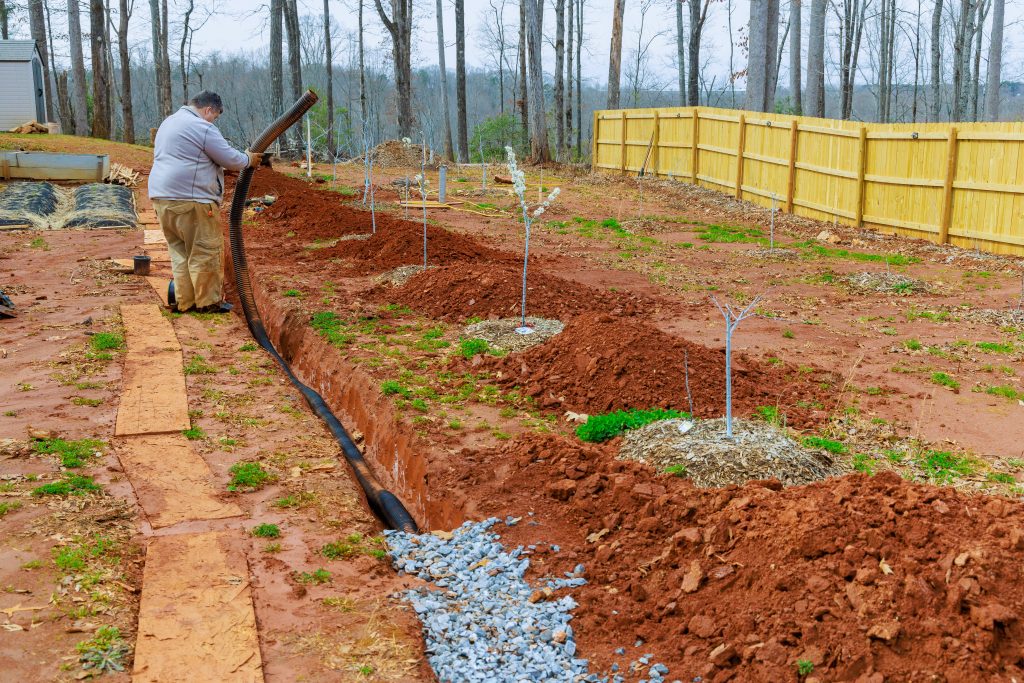
A well-graded property isn’t enough if your downspouts dump water right beside your home. Roof runoff can contribute thousands of litres of water around your foundation during a storm. Ask contractors if they’ll extend downspouts, add splash pads, or bury drain lines to move water several feet away from the wall.
Pro tip: Aim to discharge roof water at least six feet from your foundation.
This simple fix often eliminates basement moisture without expensive waterproofing. If you’re unsure how to route downspouts safely, Ashworth Drainage’s experts can design solutions tailored to your yard’s layout.
3. Will You Check the Drain Tile and Window Wells?
If water consistently seeps into your basement, the problem might not be grading alone—it could be a failed weeping tile system or clogged window wells. These underground drains collect and redirect water away from your foundation. If they’re broken, filled with sediment, or improperly installed, water has nowhere to go but inside.
Ask your contractor if they’ll:
- Inspect or test your footing drains
- Clean or replace crushed weeping tile
- Ensure every window well has gravel and proper drainage
Many basement companies overlook these details because they focus solely on interior systems. A trustworthy expert inspects exterior drainage first—where the problem starts.
4. What’s Included in Your Waterproofing Scope?
Basement waterproofing can include interior and exterior work, but not all contractors define their scope clearly. Some may only seal interior cracks, while others fix grading, downspouts, or even install sump pumps.
Before you sign, make sure you know what’s covered:
- Are you fixing grading or just sealing from inside?
- Will you install or repair drains if needed?
- What materials will you use for sealing and backfill?
You deserve transparency, especially since exterior fixes often prevent the need for interior ones. Ashworth’s approach focuses on solving water intrusion at its source through proper grading, drainage, and exterior repair.
5. How Will You Prevent Future Settlement or Erosion?
Even the best property grading can settle over time, especially in areas with clay soil or heavy rainfall. If your contractor doesn’t plan for that, you could face the same problem again next spring.
Ask them:
- What type of soil will you use for backfill?
- How will you compact the soil to prevent sinking?
- Do you recommend annual maintenance?
A professional will use dense, compactable fill soil—not loose topsoil—and may advise re-seeding or topping up low spots each year. Consistent maintenance keeps your slope working effectively season after season.
For more tips on managing surface water, see this guide from Angi. It highlights the importance of addressing moisture before any basement renovations or finishing projects—something too many homeowners overlook.

6. What’s Your Warranty—and What Voids It?
A reliable basement company should back its work with a written warranty. But here’s the key: read the fine print. Some warranties cover only interior work, while others include exterior grading and drains.
Make sure you understand:
- How long the warranty lasts
- What’s excluded (e.g., new construction settling)
- Whether you need to maintain certain grading or drainage conditions
Companies that understand long-term moisture control—like Ashworth Drainage—will give you a clear, written warranty and explain what’s required to keep it valid.
7. What Maintenance Will I Need to Do Each Year?
Even a perfect system needs light upkeep. Ask your contractor for a simple maintenance plan that fits your property.
Your annual checklist should include:
- Inspect soil around your home for slope changes
- Keep window wells free of leaves and debris
- Clean eavestroughs and downspouts in spring and fall
- Check that downspout extensions haven’t disconnected or shifted
Regular maintenance prevents costly repairs and keeps your foundation protected all year long.
Bonus Question: Do You Offer a Full Drainage Inspection?
Some basement companies only handle interior waterproofing, while others—like Ashworth Drainage—take a full-site approach. Their technicians check grading, sump systems, and stormwater flow across your yard to pinpoint the source of moisture.
If you’re unsure whether your issue is caused by grading or a deeper drain problem, ask for a full drainage assessment. It’s the most accurate way to find the root cause before spending thousands on the wrong solution.
You can contact Ashworth Drainage here to book an inspection.
Red Flags to Watch For
- Contractors who skip an exterior inspection.
- Companies that recommend interior systems without checking grading.
- Quotes that don’t explain materials, slope targets, or warranty coverage.
- “Lifetime” guarantees with fine print that excludes common conditions.
A professional who truly understands property grading will walk you around your yard, explain where the slope fails, and show how to correct it—before talking about waterproofing inside.
Why Property Grading Comes First
The simplest fixes are often the most effective. Proper grading ensures:
- Rainwater drains safely away from your home.
- Soil erosion is minimized around window wells and foundations.
- Pressure against basement walls is reduced.
- You avoid recurring dampness and mould growth.
Many homeowners are surprised to learn that fixing slope and drainage alone can eliminate moisture entirely—no sump pump required.
The Smart Way to Hire
Before hiring, gather at least two quotes and ask every contractor these seven questions. The answers will reveal whether they’re solving the problem permanently or just covering it up.
Then compare:
- Do they inspect grading?
- Will they test drains and window wells?
- Are their warranties clear and realistic?
- Do they provide a maintenance plan?
Contractors who take time to explain their process tend to care about lasting results. And that’s what your home—and peace of mind—deserve.
Final Thoughts
Waterproofing your basement isn’t just about fixing leaks; it’s about managing water before it reaches your home. Proper property grading, clean drains, and smart maintenance all work together to protect your foundation and your investment.
Ashworth Drainage has been helping homeowners across Ontario solve drainage problems for decades. Their experts assess grading, runoff, and drains before recommending repairs—because prevention always costs less than remediation.
If you’re ready to protect your home for good, contact Ashworth Drainage today for a no-obligation assessment.
FAQs
- What is property grading, and why does it matter?
Property grading is how your yard slopes away from your home. Proper grading directs water away from the foundation, preventing leaks and structural damage. - How do I know if my grading is wrong?
If water pools near your walls or you see damp basement corners after rain, your grading is likely sloping toward the house. - Should basement waterproofing include grading?
Yes—reputable basement companies will always assess grading before doing interior work. Fixing slope first often prevents future leaks. - How often should I maintain my grading?
Inspect your yard every spring and fall. Add soil to low areas that form near the foundation after heavy rain or frost. - Can I regrade my yard myself?
Minor grading fixes are DIY-friendly, but major slope corrections or drainage redesigns should be handled by professionals like Ashworth Drainage.