
Why Most Wet Basements Start Outside: Landscape and Soil Warning Signs
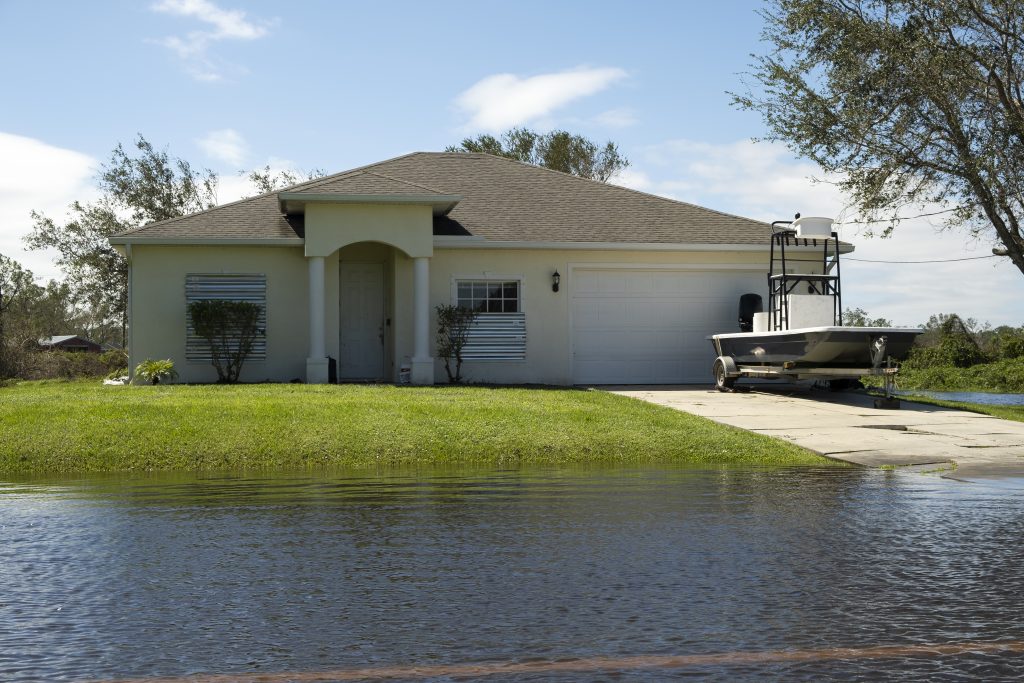
If you’re searching for “basement waterproofing,” you want to stop the damp smell. You want your basement to feel usable. You want to avoid the nightmare version of this problem where flooring, drywall, or storage gets wrecked.
You may also be thinking, “I don’t even know where the water is coming from.”
That’s the right starting point. A lot of wet basements are treated like an indoor issue first. Seal the crack. Run a dehumidifier. Paint the wall. Sometimes those moves help with comfort, but they often miss the cause.
For many Ontario homes, the story starts outside.
- Water collects near the foundation during heavy rain or snowmelt
- Soil holds that water against the wall or under the slab
- Moisture finds gaps and weak points over time
- You see damp spots, musty odours, staining, or puddles later
If you’ve tried “inside fixes” and the problem keeps returning, you’re not alone. This is a common pattern in basement moisture guides from Canadian housing resources.
The real intent behind “basement waterproofing” searches
Most people searching this term fall into one of these buckets:
- You already have dampness or water and you want it to stop
- You’re planning a renovation and you want to do it once
- You’re worried about hidden damage and resale issues
- You want to understand cost and options before calling a contractor
This article is written for that intent. You’ll learn what outside warning signs matter, what they usually mean, and how to make decisions that feel less overwhelming.
Why wet basements often start outside
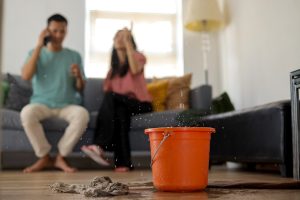
Basements are surrounded by soil. When that soil gets saturated, it presses moisture against concrete and joints. Over time, that pressure can push water through tiny openings.
That pressure has a name: hydrostatic pressure. Here’s a plain definition if you want to reference it: https://en.wikipedia.org/wiki/Hydrostatic_pressure
You do not need to become an engineer to use this idea. You just need to connect the dots.
When water is allowed to pool near the foundation, it has more time to soak down. If the grade slopes toward the house, water keeps feeding the same problem zone. If downspouts dump right beside the wall, you can be flooding your own foundation line by line.
Government flood-readiness guidance includes basics like proper grading and extending downspouts away from basement walls. Insurance guidance also points to grading, downspouts, and keeping water away from the foundation as practical prevention.
How to fix a wet basement without guessing
The goal is not to jump straight to the biggest solution. The goal is to identify the most likely source, then fix in the order that makes sense.
A good approach usually follows this logic:
- Control roof runoff and surface water first
- Confirm where water is pooling and why
- Improve drainage paths outside
- Then decide if waterproofing, drainage, or repairs are needed
This matters because you can spend money inside and still have water pushing from outside. That’s when homeowners feel like waterproofing is “endless.”
It isn’t endless when you solve the cause.
Outside warning signs to watch
You don’t need fancy tools for this. You need a slow walk around your home after rain, and again a day later. Look for patterns.
Pooling water and “mud stripes” near the foundation
If you see puddles that sit near the house, that’s a loud signal. Same if you see a muddy stripe on the wall line or soil splashed up on siding.
Pay attention to:
- Low spots near corners
- Water collecting under deck edges
- Soil that looks “washed out” along one side
- Drip lines where roof water hits hard
These are often the same areas where basement dampness shows up inside.

Downspouts that dump too close
Downspouts matter more than most homeowners think. If a downspout ends right beside the foundation, that water is going straight into the soil around your basement.
Canada’s flood-ready guidance recommends making sure downspouts extend at least 2 m (6 feet) away from basement walls so water drains away from the home.
Negative grading and settled walkways
Negative grading means the ground slopes toward the house instead of away. Settled patios, sidewalks, and driveways can create a sneaky channel that funnels water straight to the foundation.
Watch for:
- Soil that looks lower near the wall than a few feet out
- Concrete that tilts toward the house
- Spots where water trails toward the basement line
Insurance guidance calls out lot grading as a key prevention measure.
Window wells that hold water
Window wells are a common entry point because they act like a bucket. If they fill, water presses against the window frame and surrounding wall. If the well drains poorly, it stays wet for longer.
What to look for:
- Standing water in the well after rain
- Rust, staining, or debris buildup
- Soil washed into the well area
If your wet basement only shows up in one room, and that room has a window well, this is worth checking early.
Soil that stays soggy or pulls away from the wall
Soil is not just “dirt.” It’s a water system.
Clues that soil is part of the problem:
- The ground stays soft near the foundation days after rain
- Mulch looks constantly dark and wet beside the wall
- You notice cracks where soil pulls away from the foundation in dry spells
- You see erosion channels where water runs during storms
Soggy soil keeps moisture pressure high. That increases the chances of seepage through joints and small cracks.
What these signs usually mean for your basement
These outside signals often lead to one of a few inside symptoms. Matching them helps you choose the right fix.
If you see outside pooling and short downspouts, you might notice:
- Dampness along the base of the wall
- Efflorescence, which looks like a white powdery stain
- Musty odours that get worse in spring and fall
If grading is the issue, you might notice:
- One side of the basement is always worse
- Wet spots that show after heavy rain, not random days
- Water that appears near corners first
If window wells are the issue, you might notice:
- Damp drywall or trim under a basement window
- Staining that starts at window height
- Localized puddling near that wall line
This is why “where” matters. A wet basement is not always one big mystery. It’s often a repeatable pattern.
Smart first moves that reduce water fast
These are not a “checklist,” but they are common first moves that often reduce water load before you decide on bigger work.
- Extend downspouts so roof water leaves the foundation zone, aiming for at least 2 m when possible
- Keep eavestroughs clear so water does not overflow beside the house
- Regrade low soil areas so surface water drains away from the foundation
- Keep window wells clear and draining so they do not hold water
When basement waterproofing is the right next step
Sometimes runoff control is enough. Sometimes it isn’t.
Basement waterproofing is more likely to be the right next move when:
- Water appears even when gutters and grading are addressed
- You have active seepage through foundation cracks or joints
- Moisture shows up in multiple areas, not one obvious spot
- You want to finish the basement and need long-term confidence
This is also where the “expensive and overwhelming” feeling kicks in. The best way to reduce that stress is to focus on scope. Not every home needs the same solution. The right solution depends on where water is collecting, how it’s moving, and how the foundation is behaving.
Talk to Ashworth Drainage in Ontario
If you’re stuck between “maybe this is normal” and “this feels serious,” you don’t have to guess.
Ashworth Drainage can help you identify the likely source, then recommend the right fix for your home and your risk level.
- Learn more about basement waterproofing services here: https://www.ashworthdrainage.ca/services/waterproofing/
- Book an assessment or ask a question here: https://www.ashworthdrainage.ca/contact/
FAQs
What is the most common cause of a wet basement?
Often it’s water collecting near the foundation from roof runoff, poor grading, or saturated soil. Over time, pressure from groundwater can push moisture through weak points.
Can gutters and downspouts really cause basement moisture?
Yes. If downspouts dump water close to the house, they saturate the soil around the foundation. Flood-ready guidance recommends extending downspouts away from basement walls.
How do I know if my wet basement is from groundwater pressure?
If dampness appears after long wet periods, shows up along the wall base, or returns even after basic runoff fixes, groundwater pressure may be part of the cause. Hydrostatic pressure is a common explanation for why water pushes against basement walls.
Is basement waterproofing always expensive?
Cost depends on the cause and the solution. Some homes benefit most from surface water control first. Others need more involved drainage or waterproofing work. A proper assessment helps you avoid paying for the wrong fix.
Should I finish my basement if it’s been damp before?
It’s safer to address moisture first. If you finish before fixing the cause, you risk damage behind walls or under flooring later.