
How a Dual Sump Pump System Works — And When You Actually Need One
If you’re reading this, you’re probably in one of three headspaces.
You’re not sure if two pumps is overkill. You don’t fully understand what your sump pump is doing. Or you’ve already had water in the basement and you do not want a repeat.
That’s fair. Basement flooding is expensive and stressful. It can also feel random. One storm hits and your neighbour is fine while you are ripping up flooring.
This guide breaks down how dual sump pump systems work, when they make sense, and what to expect from sump pump installation in Ontario.
What a “dual sump pump system” really means
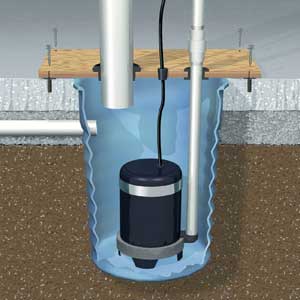
A dual sump pump system is usually two pumps installed in the same sump pit. One is the primary pump. The second pump is there to take over if the first cannot keep up or fails.
In plain terms, it is redundancy for water control.
Some homeowners picture two pits. That can happen in rare cases, but most “dual” setups are a shared pit with two pumps and two float switches set at different trigger heights.
If you want a neutral definition of what a sump pump is and where it is used, Wikipedia has a straightforward overview you can cite in a blog: Sump pump
How does a sump pump work?
A sump pump is not magic. It is a simple system that reacts to rising water.
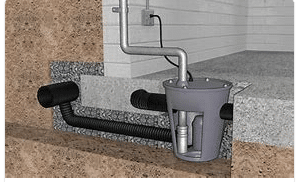
The sump pit, float switch, and discharge line
Most foundation drainage systems route groundwater toward a sump pit. Water collects in that pit. When it rises to a set point, a float switch triggers the pump to turn on.
The pump then pushes the water out through a discharge pipe and away from the home.
Key parts to understand:
- Sump pit: the basin that collects water under the slab or near the footing drains
- Float switch: the on-off trigger that reacts to water level
- Pump: moves water out of the pit
- Discharge line: carries water to an approved outlet away from the foundation
A dual system keeps the same basics. It simply adds a second pump that activates at a higher water level or when the primary fails.
Dual vs backup vs “bigger pump”
People often mix these up, so here’s the clean distinction.
- Dual pump system: two pumps in the pit that can alternate or stage. This helps when water volume is high or when you want redundancy.
- Backup pump system: a secondary pump that runs when the primary cannot, often paired with battery backup power.
- Bigger single pump: one higher-capacity pump. This can help flow rate, but it does not solve single-point failure.
If your core fear is “What if it stops working at the worst time,” redundancy matters more than raw size.
If your core problem is “It runs nonstop during storms,” you may need both capacity and redundancy.
When you actually need two pumps
You do not need a dual setup just because it sounds safer. You need it when your risk and consequences are high enough that redundancy is worth it.
Here are the most common real-world drivers.
High water table or frequent pump cycling
If your pump runs often, it is doing a lot of work. More run time means more wear. It also means your home is relying heavily on that one device.
Signals that point to higher demand:
- Your pump cycles many times a day in wet seasons
- You hear it running for long stretches during rain
- You’ve noticed dampness that comes and goes near the slab edge
Finished basements and high-cost contents
If your basement is finished, the “cost of failure” goes up fast.
Think about what is down there:
- Flooring, drywall, trim
- Furniture, storage, electronics
- Furnace, hot water tank, electrical panels
A dual system is often chosen because the homeowner is not just preventing water. They are protecting a build-out.
Power outages and storm timing
Storms are when pumps work hardest. Storms are also when outages happen.
Insurance organizations regularly tell homeowners to think about flood resilience and backup planning. The Insurance Bureau of Canada has consumer guidance on flood and water protection and notes that sewer backup coverage is often optional, which surprises many people.
If outages are common where you live, a second pump without backup power may still not solve the biggest failure mode. In that case, you may be deciding between:
- dual pumps plus backup power, or
- a primary pump plus a true backup pump with battery support
Municipal drainage rules and discharge concerns
A big part of “Do I need this” is also “Where can the water go.”
Many Ontario municipalities discourage sending groundwater into the sanitary sewer. For example, the City of London’s flooding guidance explicitly says rainwater and groundwater should not enter the sanitary sewer system and mentions installing a sump pit and pump and a backwater valve as part of the approach.
That matters because discharge routing affects performance. If water is sent to the wrong place or too close to the foundation, it can cycle right back and keep your pump working harder than it should.
What sump pump installation looks like for a dual setup
A dual system is not just “drop in a second pump.” Proper sump pump installation is about making sure the whole chain works. Collection, activation, discharge, and power.
Here’s what usually gets assessed.
Pit size and layout
A dual setup needs enough room in the pit for:
- two pumps
- two float switches that can move freely
- plumbing connections that do not tangle or jam
If the pit is too small, installers may recommend a larger basin or a different configuration. The goal is reliable activation, not cramped hardware.
Discharge routing and where water is allowed to go
Discharge is where many problems start.
A good discharge plan aims to:
- move water far enough away that it does not return toward the footing
- avoid creating icy patches in winter
- comply with local rules on where sump discharge can go
Electrical planning and safety basics
From a homeowner perspective, the big questions are “Will it keep running” and “Is it safe.”
Ontario electrical guidance notes that the Ontario Electrical Safety Code does not require a dedicated receptacle or dedicated branch circuit specifically for a sump pump.
That does not mean “anything goes.” It means planning still matters, especially if you are adding a second pump and possibly backup power.
In practical terms, you want:
- a reliable power source and proper receptacle location
- a plan for outages if flooding risk is high
- a setup that fits the manufacturer requirements
If you are unsure, this is a place where a professional assessment is worth it, because the “cheap” choice can turn into the “flooded basement” choice.
Signs your current setup is not enough
Even if you have a working sump pump today, you may be one storm away from learning its limits.
Common warning signs:
- The pump runs but water still rises fast in the pit
- The pump cycles so often it sounds like it never rests
- You have had water after heavy rain even though the pump ran
- The pit is very small and the float switch looks cramped
- You’ve had previous failures during storms or outages
None of these automatically mean you must install a dual system. They do mean it is time to talk through options before you get forced into an emergency decision.
Practical steps to reduce risk right now
You can take a few “low drama” steps that reduce the chance of surprise flooding and help you decide if dual pumps are worth it.
- Know where your discharge exits and where the water goes. If it is dumping right beside the foundation, that is a problem to fix.
- Test operation during a calm week. A pump that “usually works” is not the same as a pump you have verified.
- Check your insurance coverage details. Many people assume water events are covered when they are not, or coverage is optional.
- Watch performance during the next heavy rain. If it runs hard and still feels close to overwhelmed, that is useful data.
These are not complicated steps. They simply help you make a confident decision instead of guessing.
Talk to Ashworth Drainage about the right system
If you want this handled properly, the easiest next step is to get a recommendation based on your home and your risk, not a one-size answer.
Start here for service info and options: https://www.ashworthdrainage.ca/services/sump-pumps/
When you’re ready to book an assessment or ask a direct question, contact Ashworth here: https://www.ashworthdrainage.ca/contact/
A good consult should leave you feeling clear on:
- whether a dual system solves your specific risk
- whether backup power should be part of the plan
- how discharge will be routed to protect the foundation
- what sump pump installation will look like in your basement
FAQs
Do I need a dual sump pump system or just a backup pump?
If your issue is high water volume or frequent cycling, a dual system can help with capacity and redundancy. If your biggest risk is power outages, a backup pump with backup power may matter more than a second standard pump.
How long does sump pump installation take for a dual system?
It depends on whether the pit needs to be enlarged and how discharge and power are routed. A straightforward upgrade is faster than a full rework of the pit and drain connections.
Will a dual sump pump system prevent all basement flooding?
No system can guarantee that, because flooding can come from multiple sources like surface grading, sewer surcharge, window wells, or foundation cracks. A dual pump system reduces risk from groundwater overload and pump failure, which is one major piece of the puzzle.
Where should sump pump water discharge in Ontario?
It varies by municipality. Many communities discourage routing groundwater into the sanitary sewer. City guidance can also specify acceptable outlets, so it is worth checking local rules.
Is a dedicated electrical circuit required for a sump pump in Ontario?
Ontario guidance notes a dedicated receptacle or dedicated branch circuit is not required specifically for a sump pump under the OESC. Planning and safe installation still matter, especially for dual pumps.