
The Big Thaw: Protecting Your Basement from Ontario’s Rapid Snowmelt
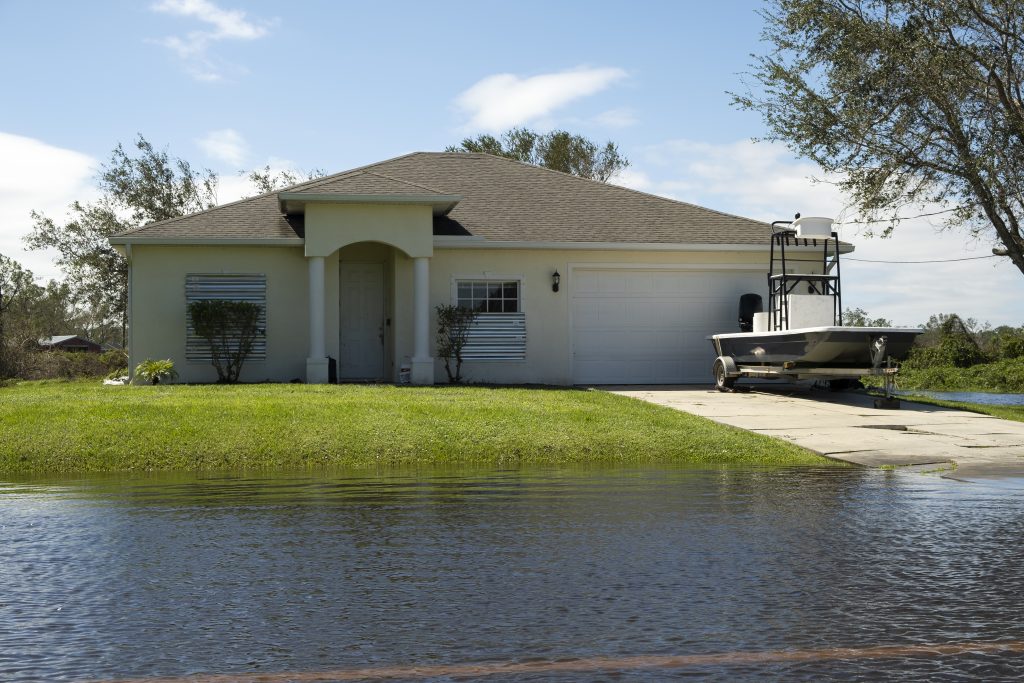
March in Ontario is a season of transition that every homeowner watches with a mix of relief and anxiety. While we welcome the warmer temperatures, the “Big Thaw” brings a significant physical challenge to our homes. When weeks of accumulated snow and ice turn into thousands of litres of water in a matter of days, your foundation becomes the only thing standing between a dry home and a catastrophic cleanup.
The Invisible Threat: Hydrostatic Pressure
The primary cause of basement flooding during an Ontario spring isn’t always a visible puddle on your lawn. The real danger is often underground. Because the soil in regions like London and Middlesex County is heavy with clay, it behaves differently than sandy or loamy earth.
During a rapid melt, the surface water cannot soak into the ground because the deeper soil layers are still frozen solid. This creates a “perched” water table. The water is trapped against your foundation walls, building up immense weight known as hydrostatic pressure. This pressure is powerful enough to push water through microscopic cracks in concrete or even cause basement floors to heave.

The “Powerless” Fear: When the Grid Fails
Spring thaws in Ontario are frequently accompanied by heavy rain and wind storms. These weather events often lead to localized power outages exactly when your drainage system needs to work its hardest. If your primary sump pump relies solely on your home’s electrical panel, a single blown transformer could result in several inches of water in your basement.
A standard sump pump is an excellent tool, but it is not a complete solution for a major melt. Most primary pumps are designed to handle average rainfall, not the relentless inflow of a record-breaking snowmelt combined with a spring storm. This is why we recommend a battery backup system as a non-negotiable part of basement waterproofing. A backup pump doesn’t just provide power during an outage; it also kicks in if your main pump becomes overwhelmed by the sheer volume of water.
Defending the “Health & Wealth” of Your Home
The cost of an unaddressed water issue is staggering. In Ontario, the average claim for a flooded basement now exceeds $43,000. Beyond the financial hit to your “wealth,” there is the “health” of your family to consider. According to Canadian Living, even small amounts of moisture trapped behind drywall can begin growing mould in as little as 24 hours.
If you have a finished basement with a home theatre, gym, or guest suite, the stakes are even higher. Water doesn’t just ruin the carpet; it compromises the structural studs and creates a long-term air quality problem. Taking a proactive approach before the melt begins is the only way to ensure your living space stays usable and your property value remains intact.
5 Steps to Take Before the Melt Hits
You do not have to wait for the water to appear before you take action. There are several manual tasks you can perform right now to lower your risk.
- Clear the Perimeter: Shovel snow at least three to five feet away from your home’s foundation. This reduces the amount of water that will pool directly against your walls as the sun comes out.
- Inspect Your Downspouts: Ensure your downspouts are clear of ice and extend at least two metres (six feet) away from the house. If they dump water right at the corner of your foundation, you are essentially pumping the same water in a circle.
- Test the Sump Pump: Pour a few buckets of water into your sump pit to make sure the float switch triggers the pump. Listen for any grinding noises that might indicate a motor near the end of its life.
- Check Window Wells: Clear any snow or debris out of your window wells. If a window well fills with meltwater, it acts like a fish tank against your basement window until the seal fails.
- Look for Efflorescence: If you see white, chalky powder on your basement walls, it is a sign that moisture is already migrating through the concrete. This is a “warning shot” that your drainage system is struggling.
Professional Solutions for Chronic Issues
For many Ontario homes, simple maintenance isn’t enough to stop basement flooding. If your home was built more than 30 years ago, your weeping tiles may be collapsed or clogged with silt. In these cases, we look at more robust solutions.
Exterior waterproofing involves excavating down to the footing to apply a waterproof membrane and install new drainage tile. This is the “gold standard” because it stops water before it ever touches your wall. For finished basements where exterior excavation isn’t possible, an interior drainage system can be installed. This involves a sub-floor perimeter drain that directs water to a sump pit, keeping the floor bone-dry even during a record thaw.

The City of London Support System
If you are a resident of London, Ontario, you may be eligible for the City’s Basement Flooding Grant Program. This program offers financial assistance for homeowners to install backwater valves and sump pump systems. In 2026, these grants remain a vital resource for preventing sewage backups and overland flooding.
Working with an authorized contractor ensures that your upgrades meet the strict requirements of the Ontario Building Code. This not only saves you money on the installation but also provides peace of mind that the work is done to a professional standard.
Why Timing is Everything
The most expensive time to call a drainage expert is during a flood. Emergency services are in high demand, and the damage is already done. By scheduling an inspection during the late winter, you can identify weak points in your foundation before the ground turns to mud.
Whether it is a small crack that needs an epoxy injection or a full sump pump upgrade, the goal is to make your home a fortress against the water. You should be able to enjoy the first signs of spring without wondering if your basement is taking on water.
Secure Your Home Today
The transition from winter to spring shouldn’t be a gamble. If you have ever experienced a damp smell, trickling water, or a pump that can’t keep up, your home is telling you it needs help. We have spent two decades protecting Ontario foundations from the unique challenges of our climate.
Contact Ashworth Drainage for a professional evaluation. We will look at your grading, your pump system, and your foundation to provide a clear, honest plan for keeping you dry. Don’t let the “Big Thaw” catch you off guard this year.
FAQs
Why does my basement only leak in the spring? This is usually due to the combination of rapid snowmelt and frozen subsoil. The water cannot drain deep into the earth, so it follows the path of least resistance—which is often the loose soil around your foundation.
Is a battery backup sump pump really necessary? Yes. In Ontario, spring thaws are often accompanied by storms that knock out power. A battery backup ensures your basement stays protected for several hours even when the grid is down.
How far should my downspouts be from my house? In most cases, you want your downspouts to discharge at least two metres (six feet) away from your foundation. This ensures the water is past the “backfill zone” where it would easily sink back down toward your walls.
Can a wet basement lead to structural failure? Persistent moisture can cause concrete to deteriorate and steel reinforcements to rust. Over time, the hydrostatic pressure can cause walls to bow or tilt, which is much more expensive to fix than a simple leak.