
Does My Ontario Home Need a Sump Pump? Signs Every Homeowner Should Know

A wet basement worry usually starts the same way. A big storm hits. The snow melts fast. The air feels damp downstairs. Then you spot a water mark you swear wasn’t there last week.
If you’re asking whether you need a sump pump, you’re not alone. Ontario homes see wide swings in weather, plus freeze-thaw cycles that can push water toward foundations. In some neighbourhoods, groundwater and clay-heavy soils can add to the pressure.
Here’s the goal of this guide: help you spot the signs, understand what a sump pump can and cannot do, and decide on a smart next step without guesswork.
- If you want a quick third-party rundown, CBC also has a helpful homeowner-focused article here: https://www.cbc.ca/news/canada/kitchener-waterloo/flood-watch-5-things-to-know-about-your-sump-pump-1.3521820
- For local guidance, the City of London also recommends sump pumps and proper drainage steps as part of basement flood prevention.
What a sump pump actually does
A sump pump is designed to move groundwater away from your home. It usually sits in a pit (a sump basin) at the lowest point of the basement. When water rises to a set level, the pump turns on and pushes water out through a discharge pipe.
In many Ontario homes, foundation drains (often called weeping tile) collect groundwater around the footing. Depending on the home and local rules, that water may be directed to a sump pit so it can be pumped away from the foundation. The City of London specifically points homeowners toward sump pits and pumps as part of managing foundation drain water and reducing basement flood risk.
A key detail: a sump pump is only as effective as the rest of the system around it, including where the water discharges and whether the pump can run during a power outage.
Signs your Ontario home may need a sump pump
You’ve seen water during storms or snowmelt
If water shows up during heavy rain, fast snowmelt, or back-to-back wet days, that’s a strong clue that groundwater is building up around the foundation. This is the classic “everything is fine until it isn’t” pattern.
Watch for:
- Damp spots where the floor meets the wall
- Puddling near a corner after a storm
- Water marks that reappear in the same area each season
Your basement feels damp even without visible leaks
A sump pump isn’t only about dramatic flooding. Many homeowners first notice the “low-level” signs: humidity, musty odours, or a basement that never fully dries out.
That damp environment can also affect what you store downstairs. Cardboard boxes soften. Wood smells “off.” Paint bubbles along the base of a wall.
- Musty smell that returns after you run a dehumidifier
- Condensation on pipes or basement windows
- Soft or stained baseboards near exterior walls
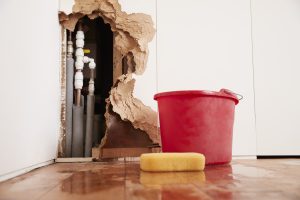
Water collects near the foundation outside
Basement water problems often show themselves outdoors first. If you see pooling near the house or downspouts dumping close to the foundation, the ground around the home can become saturated. The City of London warns that downspouts should direct water away from the foundation and that large roof-water flows can overwhelm foundation drainage and sump systems.
Quick signs outside:
- Soil that stays soggy near one side of the home
- Puddles that form beside the foundation after rainfall
- Downspouts that discharge too close to the house
Your home has older drainage connections
Some older homes were built or renovated during eras when drainage practices were different from today’s expectations. The City of London’s guidance and by-law materials discuss disconnecting certain drainage sources from the sanitary sewer and redirecting to a sump pit and pump instead.
If you’re not sure how your home is set up, that uncertainty is reason enough to get clarity. A professional can confirm what drains where, and whether the current setup matches local rules.
You rely on a finished basement or storage space
Even “minor” seepage can become expensive when a basement is finished, or when it’s used for a home office, kids’ play area, or storage you actually care about.
A practical way to think about it:
- If a wet basement would disrupt your life, prevention matters more.
- If you’re planning to finish the basement, it’s worth confirming flood risk first.
Sump pump benefits for Ontario homeowners
This is where most homeowners want the straight answer: what do you actually gain?
Ashworth Drainage summarizes several homeowner-facing benefits, including reducing dampness and moisture and protecting the home’s structure and basement contents.
Here are the benefits in everyday terms:
- Less chance of sudden basement flooding when groundwater rises quickly
- Less dampness that can affect comfort and stored items
- Better protection for finished spaces and future basement plans
- More predictable risk management during storm seasons
The “benefits” conversation is also where cost anxiety shows up. You’re not trying to buy a gadget. You’re trying to avoid a worst-case day.

When a sump pump may not be the real fix
Sometimes the right move is not “add a pump.” It’s “stop sending water to the foundation in the first place,” or “fix the entry point.”
Roof water and grading problems
If downspouts dump beside the house, or the soil slopes toward the foundation, you may be feeding the problem. The City of London highlights downspout practices and warns against connections that send large volumes of roof water toward foundation drains.
Common patterns:
- Short downspout extensions
- Depressions in soil near the wall
- Water flowing toward the house during rain
Foundation cracks or window well issues
Cracks and window wells can let in water even when the groundwater system is fine. If the water entry is localized and tied to a specific wall section, it may need targeted repair rather than a pump-first approach.
Sewer backups vs groundwater
Sump pumps handle groundwater. They do not stop sewage backup. If your issue is a sewer backup risk, solutions like a backwater valve may be part of the conversation. The City of London groups sump pumps and backwater valves together in its flooding guidance because they address different pathways.
What to do if you think you need one
Quick homeowner checks (no special tools)
You don’t need to diagnose your entire drainage system. You just want clues.
Try these quick observations:
- After a heavy rain, check if water shows up in the same area each time
- Look for white chalky residue on basement walls (often a sign of moisture movement)
- Walk the outside perimeter and note where water pools or where downspouts release
- If you already have a sump pit, check whether there’s standing water in it
What a professional assessment should include
A good assessment should reduce confusion, not add pressure.
You should come away knowing:
- Whether you have foundation drains and where they discharge
- Whether the home has a sump pit already and what condition it’s in
- Whether the discharge route sends water far enough away from the foundation
- Whether there are other “water-in” causes that need attention first
Ashworth notes on its sump pump service page that they look for repair options before replacement and don’t require deposits, which helps lower the pressure for homeowners who are trying to make a careful decision.
Cost and risk: how to think about the investment
Cost uncertainty is real because every home is different. The pit location, drainage layout, discharge route, and access all affect scope.
A calmer way to look at it is to compare two risks:
- The predictable cost of prevention and upkeep
- The unpredictable cost of cleanup, repairs, and disruption if water gets in
If your basement is unfinished and used lightly, you may accept a different risk level than someone with bedrooms or a home office downstairs. There’s no “one right answer.” There’s the right answer for your home and your stress tolerance.
The two upgrades that prevent “worst timing” failures
Many sump pump horror stories aren’t about the pump itself. They’re about what happens when conditions are hardest: peak water flow and power flickers.
Backup power
If the power goes out during a storm, a standard pump may not run. That’s why backup options come up often in flood-prevention guidance, including Canadian research and municipal advice that ties flood risk to storm events and system reliability.
Discharge routing that doesn’t recycle water
If the discharge line dumps water right beside the house, you can end up cycling the same water back toward the foundation. The goal is to move water away so it doesn’t return to the system.
The City of London also stresses directing water away from foundations and avoiding setups that overload drainage systems.
When to call Ashworth Drainage
If any of these sound familiar, it’s worth getting a professional opinion:
- Water shows up during storms, thaw, or long wet stretches
- The basement feels damp and never fully dries out
- You’re finishing the basement or protecting a finished space
- You’re unsure how your foundation drains are connected
To learn more about options, start here: sump pump installation and repair on Ashworth’s service page: https://www.ashworthdrainage.ca/services/sump-pumps/
When you’re ready to ask questions or book an assessment, contact Ashworth here: https://www.ashworthdrainage.ca/contact/
FAQs
1) Do I need a sump pump if I’ve never had a flood?
Possibly. Many homeowners first notice dampness, humidity, or seasonal seepage before a major event. If groundwater builds around your foundation during storms, a sump pump can reduce risk even if you haven’t had a full flood yet.
2) Do all Ontario homes need a sump pump?
No. It depends on groundwater levels, soil, lot grading, and how foundation drains are set up. Some homes manage water well through grading and drainage, while others benefit from a sump system.
3) What’s the difference between a sump pump and a backwater valve?
A sump pump helps manage groundwater collected around the foundation. A backwater valve helps reduce the risk of sewage backing up into the home. The City of London discusses both as flood-protection measures because they address different sources of basement water.
4) Where should sump pump water discharge?
It should discharge to an approved location and far enough away that the water doesn’t flow back toward the foundation. Municipal guidance commonly emphasizes keeping water away from the home and avoiding configurations that overload foundation drainage.
5) What are common sump pump failure points?
Power outages, stuck float switches, clogged intake screens, and blocked discharge lines are common problems. Planning for backup power and keeping the pit clear are two practical ways to reduce risk.