
ASHWORTH DRAINAGE BLOG
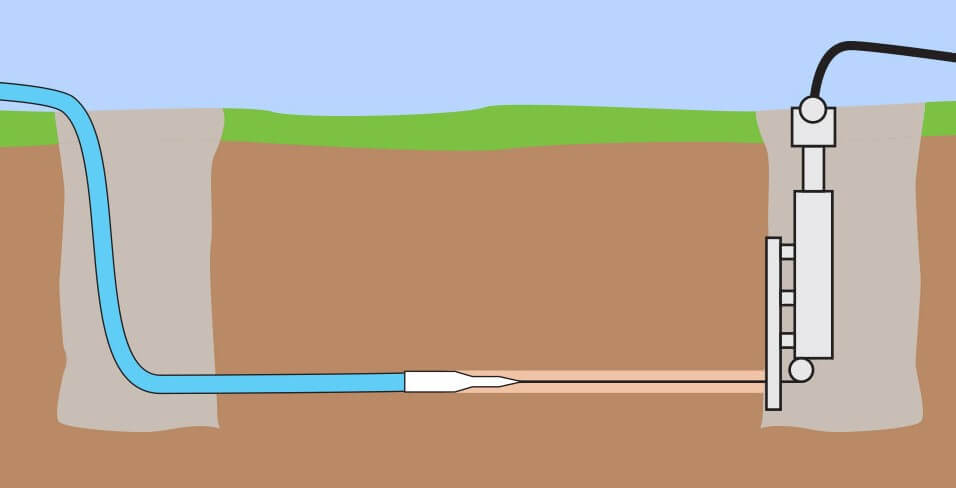
If you have ever seen a massive yellow excavator sitting in the middle of a neighbour’s front yard you know the sinking feeling it brings. Traditional sewer repair used to mean one thing: destruction. For decades fixing a broken pipe meant digging a deep trench through your manicured lawn, your interlocking brick driveway, or even your front porch.
Today technology has changed the equation for Ontario homeowners. No-dig sewer repair allows us to fix or replace your sewer line from the inside out. But as with any modern technology the big question remains: Is the investment worth it? When you are staring at a backup and a high repair quote you need to know if you are paying for convenience or long-term quality.

You are lying in bed in the middle of a quiet Ontario night. The rain stopped hours ago but you still hear that familiar rhythmic hum from the basement. It is the sound of your sump pump working hard. While that sound usually provides peace of mind it starts to feel like a warning when it never stops.
A sump pump that runs without a break is a common concern for homeowners in London and Southwestern Ontario. Our local geography often features heavy clay soil and high water tables which keep these systems busy. However there is a thin line between a hardworking pump and a failing one. Understanding why your sump pump keeps running can save you from a burnt-out motor and a very expensive basement cleanup.

Finding a crack in your basement wall is a stressful moment for any homeowner. Your mind immediately jumps to expensive repair bills or the fear of your home becoming a “money pit.” In Southwestern Ontario, our unique soil conditions often cause movement that leads to these marks. While many of these lines are simply signs of a house “breathing,” others are urgent warnings that your home’s safety is at risk.
Understanding the difference between a surface blemish and a structural failure helps you act before costs spiral. If you are planning to sell your home soon, addressing these issues now prevents a buyer’s inspector from flagging your property as a high-risk investment later.
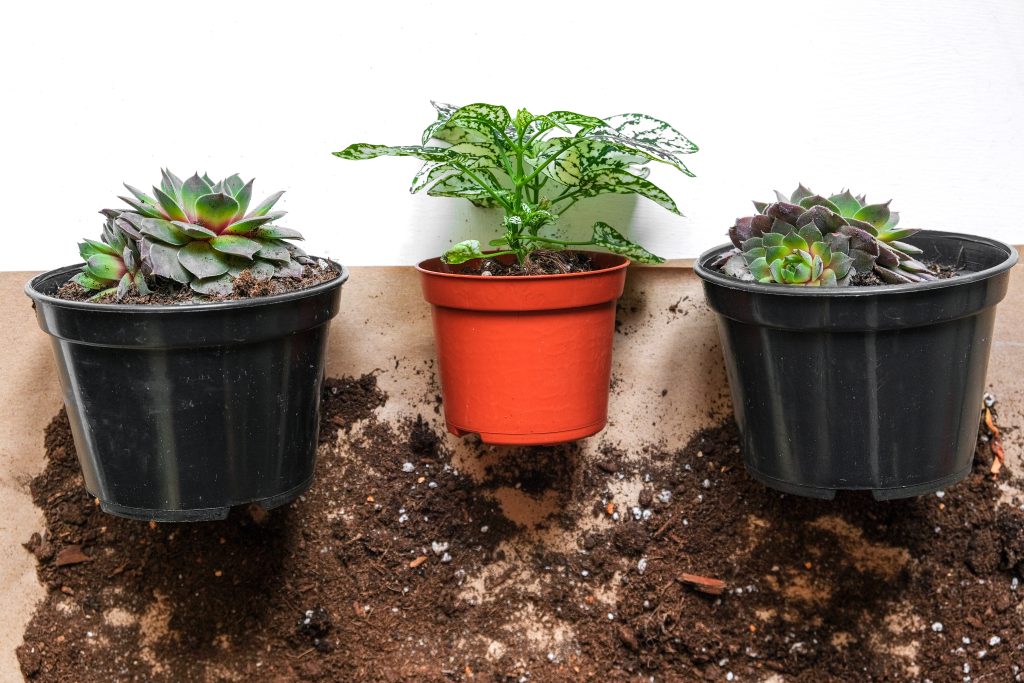
If you live in Southwestern Ontario, you know the frustration of a backyard that turns into a swamp every spring. Whether it’s the rapid snowmelt in March or the heavy thunderstorms in July, standing water is more than just a nuisance for your lawn—it is a direct threat to your home’s foundation.
While mechanical systems like French drains are the heavy lifters of water management, the right greenery acts as a vital support crew. Here is how to use nature and engineering together to reclaim your yard.
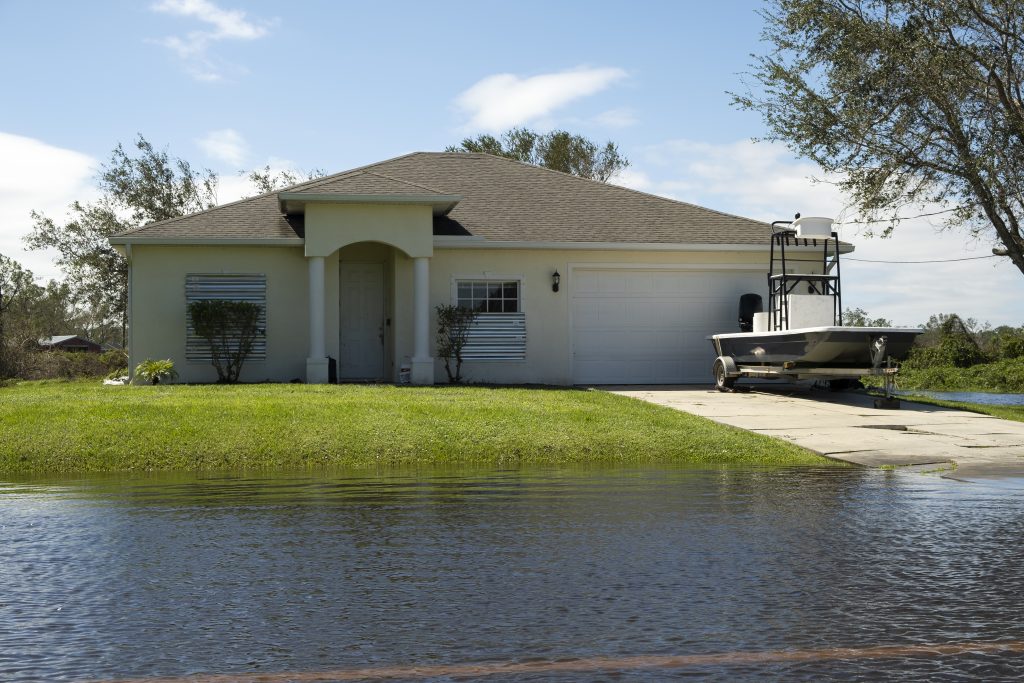
March in Ontario is a season of transition that every homeowner watches with a mix of relief and anxiety. While we welcome the warmer temperatures, the “Big Thaw” brings a significant physical challenge to our homes. When weeks of accumulated snow and ice turn into thousands of litres of water in a matter of days, your foundation becomes the only thing standing between a dry home and a catastrophic cleanup.

Southwestern Ontario is known for its heavy clay soil. Unlike sandy soil which allows rain to soak in quickly, clay acts like a waterproof barrier. When the ground reaches its saturation point the water has nowhere to go but up. This results in standing water that drowns your grass and creates a breeding ground for mosquitoes.
If you notice water pooling within two metres of your house you are dealing with a “Foundation Fear” scenario. Water exerts hydrostatic pressure against your basement walls. Over time this pressure causes tiny cracks that eventually lead to costly leaks or structural shifts. Addressing these issues early with backyard flooding and standing water solutions is the best way to avoid a five-figure repair bill later.

If your basement smells musty, feels damp, or makes the whole house feel a bit “heavy,” you’re not imagining it. Basement moisture doesn’t only affect what you can see, like a damp corner or a stained baseboard. It can also affect what you breathe.
In many Ontario homes, moisture problems show up quietly at first. A faint odour. A dehumidifier that never seems to catch up. Condensation on pipes. Then one day, the issue feels bigger than “just a smell.”
Health Canada links high humidity, leaks, water infiltration, and flooding with indoor mould growth, and recommends fixing moisture problems promptly and managing indoor humidity.
Here’s what you need to know, and what you can do next.
- If you want to see a homeowner’s real-world experience from a personal blog perspective (not a technical guide), this basement waterproofing story offers a “before/after” look at what changed: https://homeon129acres.com/2016/09/02/the-results-of-our-basement-waterproofing/

A wet basement worry usually starts the same way. A big storm hits. The snow melts fast. The air feels damp downstairs. Then you spot a water mark you swear wasn’t there last week.
If you’re asking whether you need a sump pump, you’re not alone. Ontario homes see wide swings in weather, plus freeze-thaw cycles that can push water toward foundations. In some neighbourhoods, groundwater and clay-heavy soils can add to the pressure.
Here’s the goal of this guide: help you spot the signs, understand what a sump pump can and cannot do, and decide on a smart next step without guesswork.
- If you want a quick third-party rundown, CBC also has a helpful homeowner-focused article here: https://www.cbc.ca/news/canada/kitchener-waterloo/flood-watch-5-things-to-know-about-your-sump-pump-1.3521820
- For local guidance, the City of London also recommends sump pumps and proper drainage steps as part of basement flood prevention.
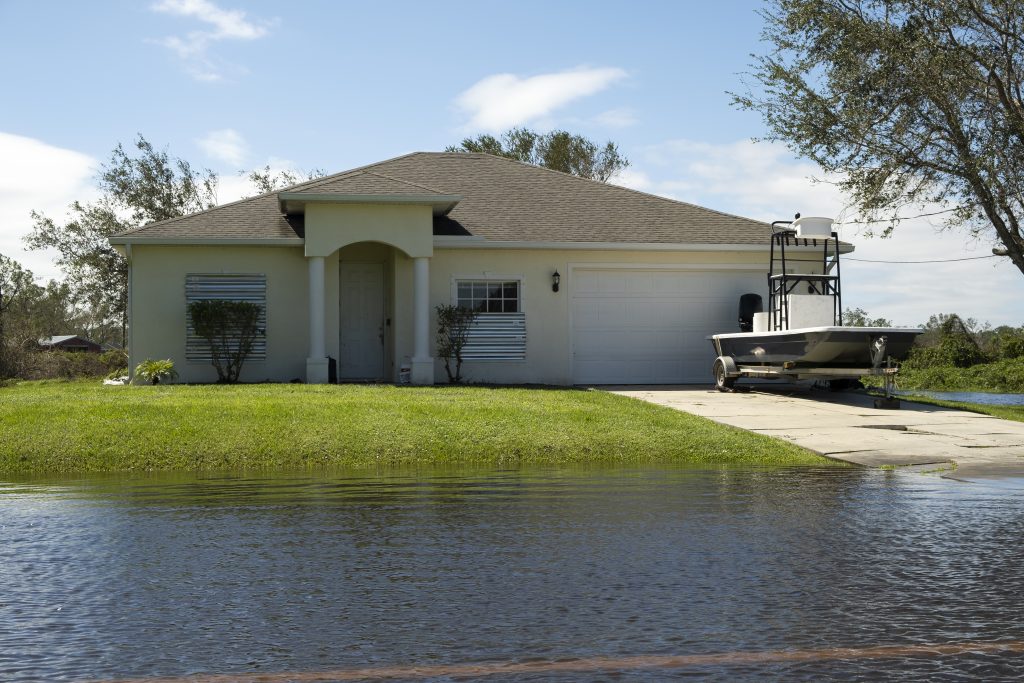
If you’re searching for “basement waterproofing,” you want to stop the damp smell. You want your basement to feel usable. You want to avoid the nightmare version of this problem where flooring, drywall, or storage gets wrecked.
You may also be thinking, “I don’t even know where the water is coming from.”
That’s the right starting point. A lot of wet basements are treated like an indoor issue first. Seal the crack. Run a dehumidifier. Paint the wall. Sometimes those moves help with comfort, but they often miss the cause.
For many Ontario homes, the story starts outside.
- Water collects near the foundation during heavy rain or snowmelt
- Soil holds that water against the wall or under the slab
- Moisture finds gaps and weak points over time
- You see damp spots, musty odours, staining, or puddles later
If you’ve tried “inside fixes” and the problem keeps returning, you’re not alone. This is a common pattern in basement moisture guides from Canadian housing resources.
The real intent behind “basement waterproofing” searches
Most people searching this term fall into one of these buckets:
- You already have dampness or water and you want it to stop
- You’re planning a renovation and you want to do it once
- You’re worried about hidden damage and resale issues
- You want to understand cost and options before calling a contractor
This article is written for that intent. You’ll learn what outside warning signs matter, what they usually mean, and how to make decisions that feel less overwhelming.
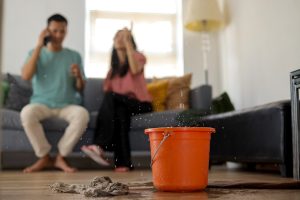
Why wet basements often start outside
Basements are surrounded by soil. When that soil gets saturated, it presses moisture against concrete and joints. Over time, that pressure can push water through tiny openings.
That pressure has a name: hydrostatic pressure. Here’s a plain definition if you want to reference it: https://en.wikipedia.org/wiki/Hydrostatic_pressure
You do not need to become an engineer to use this idea. You just need to connect the dots.
When water is allowed to pool near the foundation, it has more time to soak down. If the grade slopes toward the house, water keeps feeding the same problem zone. If downspouts dump right beside the wall, you can be flooding your own foundation line by line.
Government flood-readiness guidance includes basics like proper grading and extending downspouts away from basement walls. Insurance guidance also points to grading, downspouts, and keeping water away from the foundation as practical prevention.
How to fix a wet basement without guessing
The goal is not to jump straight to the biggest solution. The goal is to identify the most likely source, then fix in the order that makes sense.
A good approach usually follows this logic:
- Control roof runoff and surface water first
- Confirm where water is pooling and why
- Improve drainage paths outside
- Then decide if waterproofing, drainage, or repairs are needed
This matters because you can spend money inside and still have water pushing from outside. That’s when homeowners feel like waterproofing is “endless.”
It isn’t endless when you solve the cause.
Outside warning signs to watch
You don’t need fancy tools for this. You need a slow walk around your home after rain, and again a day later. Look for patterns.
Pooling water and “mud stripes” near the foundation
If you see puddles that sit near the house, that’s a loud signal. Same if you see a muddy stripe on the wall line or soil splashed up on siding.
Pay attention to:
- Low spots near corners
- Water collecting under deck edges
- Soil that looks “washed out” along one side
- Drip lines where roof water hits hard
These are often the same areas where basement dampness shows up inside.

Downspouts that dump too close
Downspouts matter more than most homeowners think. If a downspout ends right beside the foundation, that water is going straight into the soil around your basement.
Canada’s flood-ready guidance recommends making sure downspouts extend at least 2 m (6 feet) away from basement walls so water drains away from the home.
Negative grading and settled walkways
Negative grading means the ground slopes toward the house instead of away. Settled patios, sidewalks, and driveways can create a sneaky channel that funnels water straight to the foundation.
Watch for:
- Soil that looks lower near the wall than a few feet out
- Concrete that tilts toward the house
- Spots where water trails toward the basement line
Insurance guidance calls out lot grading as a key prevention measure.
Window wells that hold water
Window wells are a common entry point because they act like a bucket. If they fill, water presses against the window frame and surrounding wall. If the well drains poorly, it stays wet for longer.
What to look for:
- Standing water in the well after rain
- Rust, staining, or debris buildup
- Soil washed into the well area
If your wet basement only shows up in one room, and that room has a window well, this is worth checking early.
Soil that stays soggy or pulls away from the wall
Soil is not just “dirt.” It’s a water system.
Clues that soil is part of the problem:
- The ground stays soft near the foundation days after rain
- Mulch looks constantly dark and wet beside the wall
- You notice cracks where soil pulls away from the foundation in dry spells
- You see erosion channels where water runs during storms
Soggy soil keeps moisture pressure high. That increases the chances of seepage through joints and small cracks.
What these signs usually mean for your basement
These outside signals often lead to one of a few inside symptoms. Matching them helps you choose the right fix.
If you see outside pooling and short downspouts, you might notice:
- Dampness along the base of the wall
- Efflorescence, which looks like a white powdery stain
- Musty odours that get worse in spring and fall
If grading is the issue, you might notice:
- One side of the basement is always worse
- Wet spots that show after heavy rain, not random days
- Water that appears near corners first
If window wells are the issue, you might notice:
- Damp drywall or trim under a basement window
- Staining that starts at window height
- Localized puddling near that wall line
This is why “where” matters. A wet basement is not always one big mystery. It’s often a repeatable pattern.
Smart first moves that reduce water fast
These are not a “checklist,” but they are common first moves that often reduce water load before you decide on bigger work.
- Extend downspouts so roof water leaves the foundation zone, aiming for at least 2 m when possible
- Keep eavestroughs clear so water does not overflow beside the house
- Regrade low soil areas so surface water drains away from the foundation
- Keep window wells clear and draining so they do not hold water
When basement waterproofing is the right next step
Sometimes runoff control is enough. Sometimes it isn’t.
Basement waterproofing is more likely to be the right next move when:
- Water appears even when gutters and grading are addressed
- You have active seepage through foundation cracks or joints
- Moisture shows up in multiple areas, not one obvious spot
- You want to finish the basement and need long-term confidence
This is also where the “expensive and overwhelming” feeling kicks in. The best way to reduce that stress is to focus on scope. Not every home needs the same solution. The right solution depends on where water is collecting, how it’s moving, and how the foundation is behaving.
Talk to Ashworth Drainage in Ontario
If you’re stuck between “maybe this is normal” and “this feels serious,” you don’t have to guess.
Ashworth Drainage can help you identify the likely source, then recommend the right fix for your home and your risk level.
- Learn more about basement waterproofing services here: https://www.ashworthdrainage.ca/services/waterproofing/
- Book an assessment or ask a question here: https://www.ashworthdrainage.ca/contact/
FAQs
What is the most common cause of a wet basement?
Often it’s water collecting near the foundation from roof runoff, poor grading, or saturated soil. Over time, pressure from groundwater can push moisture through weak points.
Can gutters and downspouts really cause basement moisture?
Yes. If downspouts dump water close to the house, they saturate the soil around the foundation. Flood-ready guidance recommends extending downspouts away from basement walls.
How do I know if my wet basement is from groundwater pressure?
If dampness appears after long wet periods, shows up along the wall base, or returns even after basic runoff fixes, groundwater pressure may be part of the cause. Hydrostatic pressure is a common explanation for why water pushes against basement walls.
Is basement waterproofing always expensive?
Cost depends on the cause and the solution. Some homes benefit most from surface water control first. Others need more involved drainage or waterproofing work. A proper assessment helps you avoid paying for the wrong fix.
Should I finish my basement if it’s been damp before?
It’s safer to address moisture first. If you finish before fixing the cause, you risk damage behind walls or under flooring later.
If you’re reading this, you’re probably in one of three headspaces.
You’re not sure if two pumps is overkill. You don’t fully understand what your sump pump is doing. Or you’ve already had water in the basement and you do not want a repeat.
That’s fair. Basement flooding is expensive and stressful. It can also feel random. One storm hits and your neighbour is fine while you are ripping up flooring.
This guide breaks down how dual sump pump systems work, when they make sense, and what to expect from sump pump installation in Ontario.
What a “dual sump pump system” really means
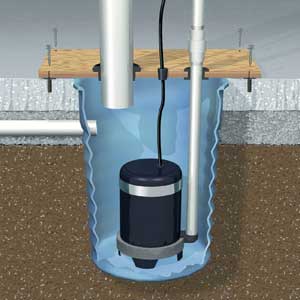
A dual sump pump system is usually two pumps installed in the same sump pit. One is the primary pump. The second pump is there to take over if the first cannot keep up or fails.
In plain terms, it is redundancy for water control.
Some homeowners picture two pits. That can happen in rare cases, but most “dual” setups are a shared pit with two pumps and two float switches set at different trigger heights.
If you want a neutral definition of what a sump pump is and where it is used, Wikipedia has a straightforward overview you can cite in a blog: Sump pump
How does a sump pump work?
A sump pump is not magic. It is a simple system that reacts to rising water.
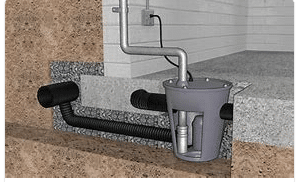
The sump pit, float switch, and discharge line
Most foundation drainage systems route groundwater toward a sump pit. Water collects in that pit. When it rises to a set point, a float switch triggers the pump to turn on.
The pump then pushes the water out through a discharge pipe and away from the home.
Key parts to understand:
- Sump pit: the basin that collects water under the slab or near the footing drains
- Float switch: the on-off trigger that reacts to water level
- Pump: moves water out of the pit
- Discharge line: carries water to an approved outlet away from the foundation
A dual system keeps the same basics. It simply adds a second pump that activates at a higher water level or when the primary fails.
Dual vs backup vs “bigger pump”
People often mix these up, so here’s the clean distinction.
- Dual pump system: two pumps in the pit that can alternate or stage. This helps when water volume is high or when you want redundancy.
- Backup pump system: a secondary pump that runs when the primary cannot, often paired with battery backup power.
- Bigger single pump: one higher-capacity pump. This can help flow rate, but it does not solve single-point failure.
If your core fear is “What if it stops working at the worst time,” redundancy matters more than raw size.
If your core problem is “It runs nonstop during storms,” you may need both capacity and redundancy.
When you actually need two pumps
You do not need a dual setup just because it sounds safer. You need it when your risk and consequences are high enough that redundancy is worth it.
Here are the most common real-world drivers.
High water table or frequent pump cycling
If your pump runs often, it is doing a lot of work. More run time means more wear. It also means your home is relying heavily on that one device.
Signals that point to higher demand:
- Your pump cycles many times a day in wet seasons
- You hear it running for long stretches during rain
- You’ve noticed dampness that comes and goes near the slab edge
Finished basements and high-cost contents
If your basement is finished, the “cost of failure” goes up fast.
Think about what is down there:
- Flooring, drywall, trim
- Furniture, storage, electronics
- Furnace, hot water tank, electrical panels
A dual system is often chosen because the homeowner is not just preventing water. They are protecting a build-out.
Power outages and storm timing
Storms are when pumps work hardest. Storms are also when outages happen.
Insurance organizations regularly tell homeowners to think about flood resilience and backup planning. The Insurance Bureau of Canada has consumer guidance on flood and water protection and notes that sewer backup coverage is often optional, which surprises many people.
If outages are common where you live, a second pump without backup power may still not solve the biggest failure mode. In that case, you may be deciding between:
- dual pumps plus backup power, or
- a primary pump plus a true backup pump with battery support
Municipal drainage rules and discharge concerns
A big part of “Do I need this” is also “Where can the water go.”
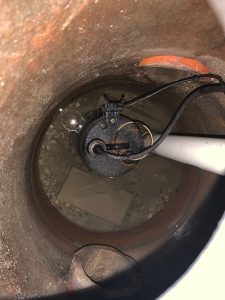
Many Ontario municipalities discourage sending groundwater into the sanitary sewer. For example, the City of London’s flooding guidance explicitly says rainwater and groundwater should not enter the sanitary sewer system and mentions installing a sump pit and pump and a backwater valve as part of the approach.
That matters because discharge routing affects performance. If water is sent to the wrong place or too close to the foundation, it can cycle right back and keep your pump working harder than it should.
What sump pump installation looks like for a dual setup
A dual system is not just “drop in a second pump.” Proper sump pump installation is about making sure the whole chain works. Collection, activation, discharge, and power.
Here’s what usually gets assessed.
Pit size and layout
A dual setup needs enough room in the pit for:
- two pumps
- two float switches that can move freely
- plumbing connections that do not tangle or jam
If the pit is too small, installers may recommend a larger basin or a different configuration. The goal is reliable activation, not cramped hardware.
Discharge routing and where water is allowed to go
Discharge is where many problems start.
A good discharge plan aims to:
- move water far enough away that it does not return toward the footing
- avoid creating icy patches in winter
- comply with local rules on where sump discharge can go
Electrical planning and safety basics
From a homeowner perspective, the big questions are “Will it keep running” and “Is it safe.”
Ontario electrical guidance notes that the Ontario Electrical Safety Code does not require a dedicated receptacle or dedicated branch circuit specifically for a sump pump.
That does not mean “anything goes.” It means planning still matters, especially if you are adding a second pump and possibly backup power.
In practical terms, you want:
- a reliable power source and proper receptacle location
- a plan for outages if flooding risk is high
- a setup that fits the manufacturer requirements
If you are unsure, this is a place where a professional assessment is worth it, because the “cheap” choice can turn into the “flooded basement” choice.
Signs your current setup is not enough
Even if you have a working sump pump today, you may be one storm away from learning its limits.
Common warning signs:
- The pump runs but water still rises fast in the pit
- The pump cycles so often it sounds like it never rests
- You have had water after heavy rain even though the pump ran
- The pit is very small and the float switch looks cramped
- You’ve had previous failures during storms or outages
None of these automatically mean you must install a dual system. They do mean it is time to talk through options before you get forced into an emergency decision.
Practical steps to reduce risk right now
You can take a few “low drama” steps that reduce the chance of surprise flooding and help you decide if dual pumps are worth it.
- Know where your discharge exits and where the water goes. If it is dumping right beside the foundation, that is a problem to fix.
- Test operation during a calm week. A pump that “usually works” is not the same as a pump you have verified.
- Check your insurance coverage details. Many people assume water events are covered when they are not, or coverage is optional.
- Watch performance during the next heavy rain. If it runs hard and still feels close to overwhelmed, that is useful data.
These are not complicated steps. They simply help you make a confident decision instead of guessing.
Talk to Ashworth Drainage about the right system
If you want this handled properly, the easiest next step is to get a recommendation based on your home and your risk, not a one-size answer.
Start here for service info and options: https://www.ashworthdrainage.ca/services/sump-pumps/
When you’re ready to book an assessment or ask a direct question, contact Ashworth here: https://www.ashworthdrainage.ca/contact/
A good consult should leave you feeling clear on:
- whether a dual system solves your specific risk
- whether backup power should be part of the plan
- how discharge will be routed to protect the foundation
- what sump pump installation will look like in your basement
FAQs
Do I need a dual sump pump system or just a backup pump?
If your issue is high water volume or frequent cycling, a dual system can help with capacity and redundancy. If your biggest risk is power outages, a backup pump with backup power may matter more than a second standard pump.
How long does sump pump installation take for a dual system?
It depends on whether the pit needs to be enlarged and how discharge and power are routed. A straightforward upgrade is faster than a full rework of the pit and drain connections.
Will a dual sump pump system prevent all basement flooding?
No system can guarantee that, because flooding can come from multiple sources like surface grading, sewer surcharge, window wells, or foundation cracks. A dual pump system reduces risk from groundwater overload and pump failure, which is one major piece of the puzzle.
Where should sump pump water discharge in Ontario?
It varies by municipality. Many communities discourage routing groundwater into the sanitary sewer. City guidance can also specify acceptable outlets, so it is worth checking local rules.
Is a dedicated electrical circuit required for a sump pump in Ontario?
Ontario guidance notes a dedicated receptacle or dedicated branch circuit is not required specifically for a sump pump under the OESC. Planning and safe installation still matter, especially for dual pumps.