
How Carbon Fiber Straps Stabilize Bowing Basement Walls Without Major Excavation
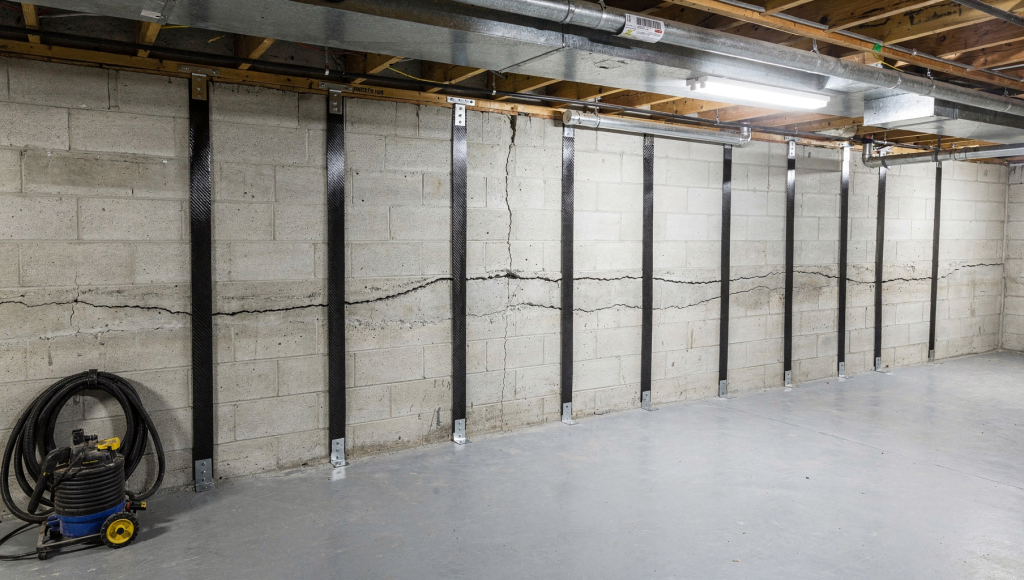
Discovering a bulge or horizontal crack in your foundation wall causes instant stress. Homeowners often picture heavy excavators tearing up their manicured lawns, gardens, and paved driveways.
Modern foundation engineering offers much cleaner solutions. Advanced structural materials allow technicians to stop foundation movement permanently from inside your home.
Understanding modern repair methods helps you make smart choices for your home. You can protect your structural integrity without incurring unnecessary restoration expenses.
Why Foundation Walls Bow Inward
Foundation walls bear the weight of your entire house while resisting constant sideways force from surrounding earth. In Canadian climates, soil conditions put intense pressure on underground concrete structures.
When external forces exceed the strength of concrete block or poured walls, the structure begins bending inward. Recognizing what drives this force helps you address the root cause.
Hydrostatic Pressure and Heavy Clay Soil
Waterlogged soil weighs significantly more than dry dirt. Rainstorms and melting snow saturate the ground surrounding your basement footings.
Heavy clay soils expand as they absorb water, pushing against basement walls with tremendous force. This lateral force pushes concrete blocks out of alignment over time.
Poor exterior drainage accelerates this process. Standing water around your foundation ensures maximum pressure against buried concrete surfaces continuously.
Frost Heaves and Seasonal Freeze-Thaw Cycles
Canadian winters create harsh freeze-thaw conditions that strain foundation materials. Water trapped in dense soil expands by about nine percent when it freezes solid.
This frozen ground expands sideways against upper foundation walls, creating immense lateral thrust. repeated winter cycles weaken concrete mortar joints gradually over several years.
Spring thaws melt surface ice, filling soil pores with liquid water once again. This endless expansion and contraction creates cumulative damage along basement walls.

How Carbon Fiber Straps Fix Bowing Walls
Carbon fiber technology revolutionized structural engineering after decades of use in commercial aerospace applications. These space-age polymers provide incredible strength while remaining exceptionally light and thin.
Technicians apply carbon fiber grid straps directly to interior basement walls. The material locks foundation walls into place, preventing any further inward movement.
High Tensile Strength Meets Modern Epoxy
Carbon fiber straps possess a tensile strength ten times greater than structural steel. Once bonded to concrete, the strap cannot stretch or snap under normal soil pressure.
Specialists clean and prep the concrete wall before applying high-strength structural epoxy resin. The epoxy bonds the carbon material directly into the pores of the concrete.
This chemical bond fuses the strap and concrete together into a single rigid unit. Lateral forces get distributed evenly across the entire length of the strap.
Securing the Top and Bottom Anchorage
Placing straps along the wall is only part of a complete repair solution. Proper stabilization requires anchoring the top and bottom of each carbon strip.
Technicians tie the top of each strap securely into the wooden floor joist system above. Structural steel brackets transfer lateral load directly into your home flooring framework.
The bottom of each strap anchors firmly into your concrete basement floor slab. This complete connection prevents the wall from shifting or sliding at the base.
Benefits of Carbon Fiber Over Traditional Steel Beams
Older repair techniques relied heavily on thick steel I-beams bolted into floor joists. While steel works well, carbon fiber systems offer clear advantages for modern living spaces.
Comparing structural repair options helps homeowners pick the best fit for their home and budget.
| Feature | Carbon Fiber Straps | Traditional Steel I-Beams |
| Installation Location | Applied flush on interior walls | Protrudes 4-6 inches into basement |
| Yard Disruption | Zero digging or lawn damage | Often requires exterior excavation |
| Space Impact | Unchanged wall profile | Lost living space along perimeter |
| Installation Time | 1 to 2 days | 3 to 5 days |
| Corrosion Risk | Impervious to rust and moisture | Can rust in damp basements |
Zero Yard Excavation Required
Installing carbon fiber happens entirely from inside your basement interior. Technicians do not need heavy machinery in your yard, preserving your landscaping.
You save money by eliminating the need to rebuild porches, driveways, or flower beds after work finishes. Your lawn stays pristine throughout the entire installation process.
Interior access also means work continues smoothly regardless of rain, snow, or frozen ground outside. Winter repairs progress quickly without waiting for spring ground thaws.
Low Profile Design for Easy Basement Finishing
Carbon fiber straps sit virtually flush against your foundation wall, measuring less than two millimeters thick. The installed material matches the original wall profile closely.
You can easily paint directly over cured straps to blend them into background concrete walls. You will barely notice the reinforced strips once painted.
Homeowners planning a renovation can build stud walls directly over the carbon straps without losing interior space. Check out these cozy finished basement design ideas for inspiration once structural repairs are finished.
Rapid Installation and Long-Term Savings
Carbon fiber installations wrap up much faster than heavy excavation or steel fabrication projects. Experienced crews usually finish an entire residential wall in a single day.
Shorter project timelines mean lower labor costs for homeowners. You minimize disruption to your family routine while fixing serious structural issues quickly.
Because carbon fiber never corrodes or degrades in humid conditions, the repair lasts for the life of your home. You gain permanent peace of mind with zero ongoing maintenance.
Horizontal Foundation Crack Repair and Early Warning Signs
Bowing foundation walls display clear visual signs before major structural failures occur. Identifying these signs early keeps repair costs manageable.
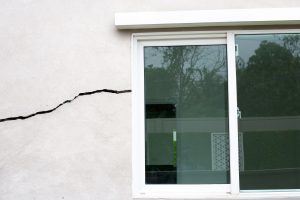
A horizontal crack running along mortar joints is the classic sign of bowing concrete block walls. Pressure pushes blocks inward, opening horizontal seams mid-way up the wall.
- Horizontal cracking along middle mortar lines in block foundations.
- Stair-step cracks appearing near foundation corners or window openings.
- Inward tipping at the top of poured concrete walls.
- Shearing at the bottom of the wall where blocks meet the floor slab.
- Doors or windows sticking on upper floors directly above bowed walls.
Addressing horizontal foundation crack repair early prevents wall movement from worsening. Waiting allows soil pressure to push walls past the point where carbon fiber can help.
The Step-by-Step Carbon Fiber Installation Process
Professional technicians follow a precise sequence to ensure carbon fiber straps bond permanently to your foundation.
- Structural Assessment: Technicians measure wall deflection using laser levels to confirm carbon fiber suitability.
- Surface Preparation: Workers grind paint, dirt, and loose concrete off the wall surface to expose clean concrete.
- Crack Injection: Technicians inject high-strength epoxy or polyurethane foam into open cracks to seal out water.
- Epoxy Application: Installers roll a thick layer of structural epoxy resin onto the prepped wall surface.
- Strap Placement: Workers press carbon fiber straps into the wet epoxy, smoothing out air bubbles.
- Top and Bottom Anchoring: Technicians install top steel brackets and bottom anchor pins to secure the ends.
- Final Topcoat: Installers apply a final layer of epoxy over straps to seal the assembly completely.
This straightforward process transforms weak, bowing concrete into a reinforced wall system capable of handling heavy earth loads.
When Are Carbon Fiber Straps Right for Your Home?
Carbon fiber reinforcement works brilliantly for most residential wall issues, but wall movement severity dictates the correct repair strategy.
Straps work best on foundation walls that bow inward two inches or less. Within this range, carbon fiber stops further movement completely and stabilizes the structure indefinitely.
Walls bowing more than two inches may require hydraulic jacking to push concrete back toward plumb before stabilization. Severe bowing might require exterior excavation or structural steel beams instead.
Consulting an experienced specialist ensures your foundation gets the exact structural support it requires. Early evaluation keeps simple repairs from turning into major rebuilding projects.
Protect Your Foundation with Ashworth Drainage
A bowing foundation wall demands prompt, qualified attention before structural damage worsens. Ignoring wall movement leads to cracked floors, jammed doors, and compromised home safety.
Ashworth Drainage provides reliable structural solutions for homeowners across Southwestern Ontario. We evaluate your foundation thoroughly to deliver practical, permanent stabilization options.
Contact Ashworth Drainage today through our contact page to book a free foundation assessment and secure your home’s structural future.
FAQs
Can carbon fiber straps pull a bowing wall back straight?
No, carbon fiber straps are designed to stabilize walls in their current position and prevent further inward movement. If a wall must be pulled back straight, technicians use hydraulic jacks or exterior excavation before installing straps.
How long do carbon fiber foundation straps last?
Carbon fiber straps last for the life of your home. The composite material does not rust, stretch, or degrade over time, offering a permanent structural repair when applied with proper epoxy resins.
Can you frame over carbon fiber straps?
Yes, carbon fiber straps sit flush against concrete walls at under two millimeters thick. You can easily frame stud walls, install insulation, and hang drywall directly over them without losing floor space.
How many carbon fiber straps are needed for a bowing wall?
Strap spacing depends on wall height, soil conditions, and the degree of inward bowing. Technicians typically install straps every four feet along the damaged section of foundation wall.