
Sealing Stamped Concrete Driveways and Walkways in October: Preventing Winter Freeze-Thaw Cracks
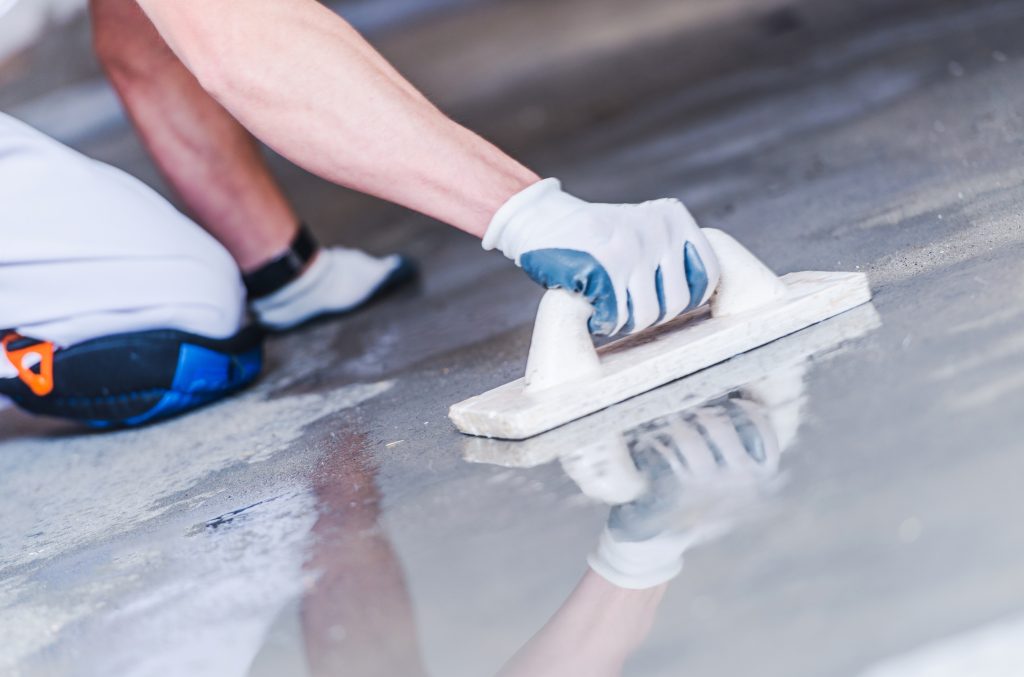
Autumn brings crisp air, falling leaves, and frequent rainfall across Southwestern Ontario. As property owners prepare yards for upcoming snowstorms, decorative hardscaping often gets overlooked. Taking time to complete professional concrete sealing during October shields driveways and walkways from severe freeze-thaw destruction.
Decorative stamped concrete adds curb appeal and value to residential properties. Concrete remains a porous mineral material that naturally absorbs groundwater. Applying a protective seal before frost sets in keeps water out and preserves surface integrity.
Why October Is the Optimal Window for Concrete Sealing
Timing a sealer application requires balancing air temperature and surface moisture. October offers the final reliable seasonal window before winter weather settles into Southwestern Ontario.
Autumn Temperature Thresholds and Curing Conditions
- Acrylic sealers require ambient temperatures between 10°C and 25°C for proper chemical curing.
- October daytime weather provides warm sunlight needed to dry surface moisture completely.
- Cooler fall nights allow sealers to set slowly without flashing off or bubbling prematurely.
- Late fall applications beat the first ground frost that ruins uncured sealant films.
The Moisture Expansion Danger in Unsealed Driveways
Poured concrete contains microscopic pores and capillaries formed during original mixing. Autumn rains fill these microscopic voids with standing liquid.
When winter temperatures drop below zero degrees Celsius, trapped water freezes and expands by approximately 9%. This internal force pushes against concrete walls, causing surface flaking, scaling, and spalling. Sealing open pores in October stops liquid entry long before freezing temperatures arrive.
Protecting Stamped Surfaces From Winter Salt and De-Icer Damage
Winter driving exposes vehicle tires to aggressive de-icing chemicals and road salts. Parking on custom driveways transfers these harsh compounds directly onto your decorative finishes.
Chemical Corrosion on Decorative Concrete Finishes
- Sodium chloride and calcium chloride break down unsealed concrete paste over time.
- Salt draws extra moisture toward concrete, increasing local freeze-thaw pressure cycles.
- Unprotected colored hardscaping loses original stain richness as chemicals pit the topcoat.
- Professional sealants form a physical barrier that resists chemical salt penetration.
How Driveway Cracks Accelerate Below-Grade Damage
Small surface fissures inevitably form along control joints and high-traffic paths. Leaving driveway cracks unsealed permits meltwater to flow straight down toward underlying base materials.
When water saturates crushed stone bases beneath driveways, winter frost heave lifts entire concrete slabs out of alignment. Once ground thaws occur in spring, unsupported slabs drop and snap along stress points. Filling control joints and applying solvent-based acrylic sealers stops base saturation before winter arrives.
Homeowners evaluating property upgrades often consult guides on how to read a floor plan to understand hardscaping layouts. Ensuring proper surface pitch away from structural walls remains vital during initial construction and ongoing maintenance.
Step-by-Step Fall Concrete Protection Process
Achieving a durable finish requires disciplined prep work and commercial-grade materials. Simply spreading bucket sealant over dirty stone leads to peeling, cloudy hazing, and slippery surfaces.
Surface Cleaning and Moisture Testing
- Power wash stamped surfaces using specialized concrete cleaners to remove ground-in dirt and oil.
- Allow surfaces to dry for 24 to 48 hours until no hidden moisture remains in deeper pores.
- Perform a plastic sheet test to confirm no ground vapor rises through the slab before application.
- Sweep away loose autumn leaves, pine needles, and dust right before rolling sealer.

Applying Breathable Acrylic Sealers with Anti-Skid Additives
High-quality acrylic sealers allow internal moisture vapor to escape while blocking liquid water from above. Applying two thin coats creates an even shield that highlights rich color pigments.
Adding micronized polymer beads or fine silica grit into topcoats provides essential foot traction. This anti-skid additive stops glossy walkways from turning into slick ice hazards during rainy or slushy fall days.
Connecting Exterior Hardscaping to Total Property Protection
Driveway maintenance directly affects how water moves across your entire property. Flat concrete surfaces collect massive water volumes during sudden autumn downpours.
Preventing Surface Runoff from Reaching Foundation Walls
- Cracked or sunken concrete slabs direct surface runoff right toward house perimeters.
- Water pooling near house edges increases hydrostatic pressure on basement walls.
- Sealed concrete with correct outward pitch guides rainwater toward municipal street drains.
- Integrating custom driveway maintenance with complete waterproofing keeps basements dry.
Long-Term Value and Maintenance Schedules
Stamped driveways represent major financial investments that require periodic upkeep every two to three years. Neglecting routine maintenance results in costly structural repairs or complete tear-outs.
October sealing treatments protect initial installation investments for a fraction of replacement expenses. Maintaining sealed surfaces ensures your home maintains strong curb appeal throughout freezing winter months.
Schedule Your Pre-Winter Concrete Service Today
Waiting until spring to fix winter frost damage doubles repair costs. Once ice pops decorative surfaces or opens wide slab cracks, simple sealer coats can no longer restore original smooth textures.
Taking proactive care of driveways, patios, and walkways this October keeps surfaces looking pristine through heavy winter snow. Professional applications protect concrete strength and preserve property aesthetics.
Ready to protect your outdoor hardscaping investment before winter arrives? Reach out to Ashworth Drainage today to book an autumn concrete evaluation and sealing service with our London team.
FAQs
Can you seal concrete in October in Ontario?
Yes, October provides excellent conditions for concrete sealing in Ontario. Daytime temperatures frequently meet the ideal 10°C to 20°C range required for acrylic sealers to cure before winter frost hits.
How long does stamped concrete sealer need to dry before snow or rain?
Stamped concrete sealers generally dry to the touch in 2 to 4 hours. They require 24 hours of dry weather before heavy rain, foot traffic, or freezing temperatures occur.
Does sealing stamped concrete prevent winter salt damage?
Sealing creates a protective barrier that stops de-icing salts from penetrating porous concrete paste. While avoiding direct salt application remains best practice, sealed surfaces resist chemical corrosion caused by road slush transferred from vehicles.
Why did my concrete sealer turn white or cloudy?
Sealers turn white or cloudy when applied over damp concrete or when moisture gets trapped beneath non-breathable films. Proper surface drying and professional moisture testing prevent hazing issues.