
How to Spot Early Signs of Basement Mold Before It Spreads

Uncovering dampness in your lower living area causes immediate stress. Many homeowners in Southwestern Ontario worry about hidden health hazards, dropping property values, and expensive repair quotes. You might smell a damp odor after heavy rainfall or notice dark spots along baseboards.
Catching these signs early saves thousands of dollars in structural repairs. Effective basement moisture control relies on identifying subtle indicators before airborne spores multiply across your home.
Early Warning Signs of Basement Mold
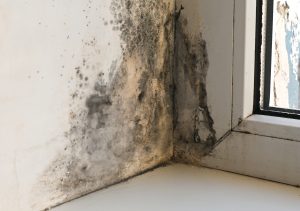
Fungal growth rarely begins as large black patches. It starts silently in damp corners, behind insulation, and under subflooring.
The Unmistakable Musty Odor
A persistent earthy smell is usually the very first sign of trouble. This odor comes from microbial volatile organic compounds released by active spores.
- Smells strengthen after summer rainstorms or rapid winter thaws.
- Odors remain even after running portable air purifiers or scented sprays.
- Dampness concentrates near floor drains, cold cellars, and exterior wall corners.
If your lower level smells like wet soil, water is entering your envelope.
Efflorescence vs. Active Fungal Growth
Homeowners frequently mistake efflorescence for white mold. Efflorescence is a crystalline salt deposit left behind when water evaporates from concrete.
- Efflorescence sparkles under direct light and crumbles into fine powder between fingers.
- Fungal growth appears fuzzy, slimy, or clumped, ranging in color from grey to green or black.
- Efflorescence proves active water movement through foundation walls.
While efflorescence itself is not a fungus, its presence confirms the damp environment mold requires.
Hidden Damage Behind Drywall and Flooring
Finished lower levels conceal moisture problems behind attractive building materials. Water drips down studs, saturates drywall backing, and pools beneath underlayment.
- Peeling paint, bubbling wallpaper, and warped baseboards indicate hidden moisture.
- Discolored carpet tacks and dark ring stains on subflooring signal ground seepage.
- Rusting metal fasteners on electrical boxes point to high interior humidity.
Ignoring these subtle visual cues gives spores time to colonize structural framing members.
How Water Entrapment Triggers Fungal Spores
Microscopic spores exist naturally in outdoor air. They enter homes through open windows, doors, and ventilation systems without causing harm.
Spores require three specific conditions to colonize interior building materials:
- Oxygen present in domestic living spaces.
- Organic food sources like drywall paper, wood framing, carpet fibers, and dust.
- Sustained moisture levels above fifty percent relative humidity or direct liquid seepage.
You cannot remove oxygen or building materials from your structure. Controlling water accumulation remains your single effective defense against ongoing fungal outbreaks.
Groundwater exerts immense hydrostatic pressure against buried foundation walls. Heavy clay soil in London, Ontario retains rain, pushing liquid water through porous concrete pores and hairline settling cracks.
Proven Steps to Prevent Mold in Basement Spaces
Stopping fungal spread requires an integrated strategy targeting exterior drainage and interior humidity management.
Eliminating Hydrostatic Pressure
Preventing water entry keeps building materials dry and uncompromised.
- Extend downspouts four to six feet away from foundation walls to redirect roof runoff.
- Slope flower beds and topsoil away from exterior walls to stop water pooling.
- Inspect window well drains to clear trapped leaves and decaying organic debris.
- Install professional foundation membranes to block soil dampness from reaching concrete.
Fixing ground grading prevents surface water from converting into foundation pressure.
Managing Indoor Humidity Levels
Liquid water is not the only threat. Air saturation creates ideal breeding grounds across cold concrete surfaces.
- Run heavy-duty dehumidifiers to maintain basement relative humidity below fifty percent.
- Seal sump pump pit covers tight to prevent water evaporation into room air.
- Avoid drying laundry on racks indoors without dedicated mechanical exhaust fans running.
- Check out practical design ideas on Nesting With Grace to keep finished lower levels organized and elevated off concrete floors.
Keeping indoor air dry prevents condensation on cold water pipes and foundation walls.

Why Household Cleaners Fail Long-Term Solutions
Many homeowners attempt DIY cleanup using household bleach or commercial sprays. Chlorine bleach kills surface spores on non-porous surfaces like porcelain or glass.
- Bleach contains ninety percent water, which soaks deeper into porous drywall and wood.
- Fungal roots remain alive deep inside wood grain, feeding on applied liquid.
- Surface growth returns aggressively within days or weeks of cleaning.
Chemical sprays do not fix weeping tiles, leaking crack lines, or ground seepage. Eliminating water sources stops spore germination permanently.
Protecting Your Health and Home Equity
Persistent dampness threatens family health and property investments. Airborne spores trigger persistent respiratory symptoms, skin irritation, chronic headaches, and severe asthma attacks.
Unaddressed moisture issues complicate future property sales. Real estate inspectors identify dampness, water stains, and structural decay quickly during pre-sale evaluations.
Investing in targeted foundation repair and waterproofing protects your family’s daily wellness and preserves equity in your real estate asset.
FAQs
Can basement mold make my family sick before I see it?
Yes. Microscopic fungal spores and volatile organic compounds spread through home HVAC systems long before colonies grow large enough to see on walls or floorboards.
Is white powder on my concrete basement wall dangerous?
That white powder is usually efflorescence, which consists of mineral salts left by evaporating water. While non-toxic, it proves water is actively penetrating your foundation wall.
How low should I keep my basement humidity to stop mold growth?
Maintain relative humidity levels between thirty and fifty percent. Fungal spores struggle to germinate and spread when relative humidity remains consistently under fifty percent.
Will a dehumidifier fix my basement mold problem permanently?
No. A dehumidifier removes water vapor from the air, but it cannot stop active groundwater seepage, weeping tile failure, or hydrostatic pressure pushing through concrete walls.