
ASHWORTH DRAINAGE BLOG
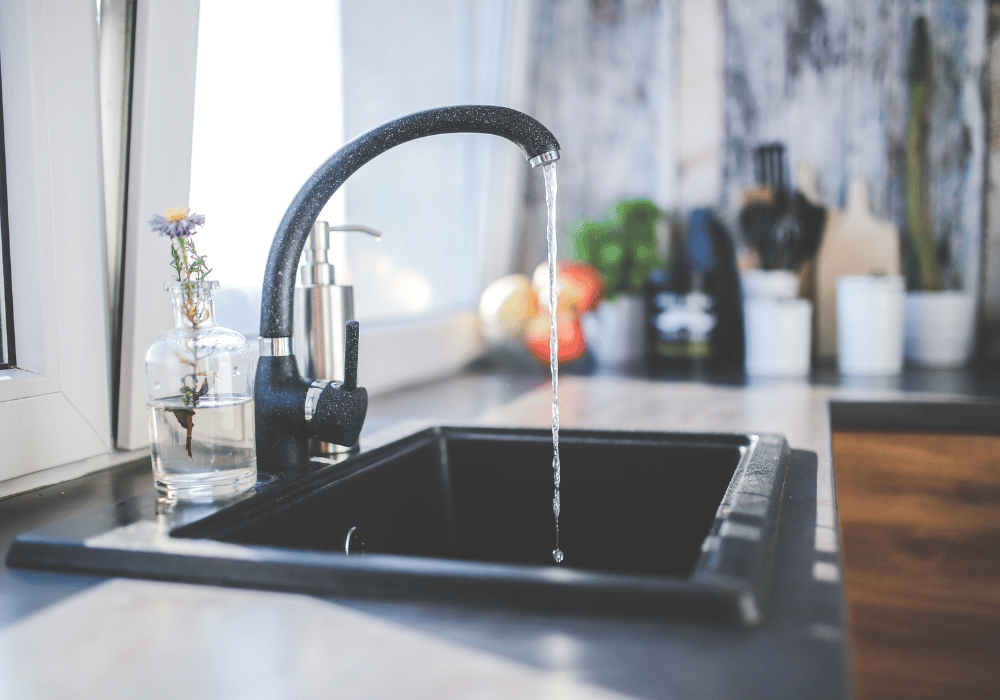
Do you feel like your water bill is a little too high? If so, you’re not alone. Many homeowners struggle to keep their water bills under control. In this post, we will discuss some of the reasons why your water bill might be higher than it should be. We will also provide some tips on how to reduce your water consumption and save money on your monthly utility bills!
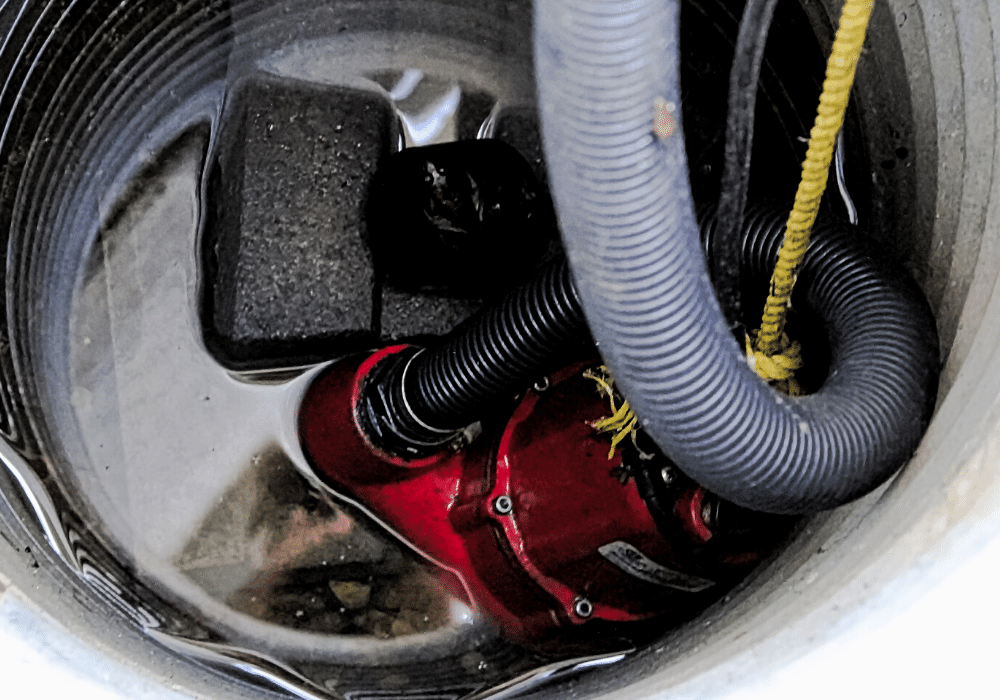
Sump pumps are an important part of any home in Ontario. If you don’t have one, you could be facing some serious water damage. In this post, we will discuss what a sump pump is, why you might need one, and how to choose the right one for your home.
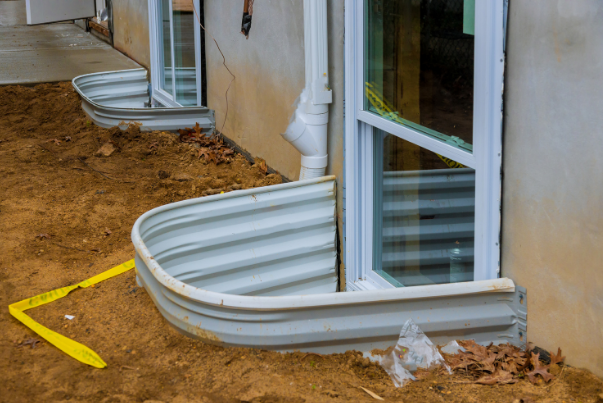
Window wells are an important part of a home. They provide natural light and ventilation, which can help improve the overall air quality of your home. They also provide an escape route in the event of a fire or other emergency. If you’re considering adding a window well to your home, keep reading to learn more about why they are so important to have.
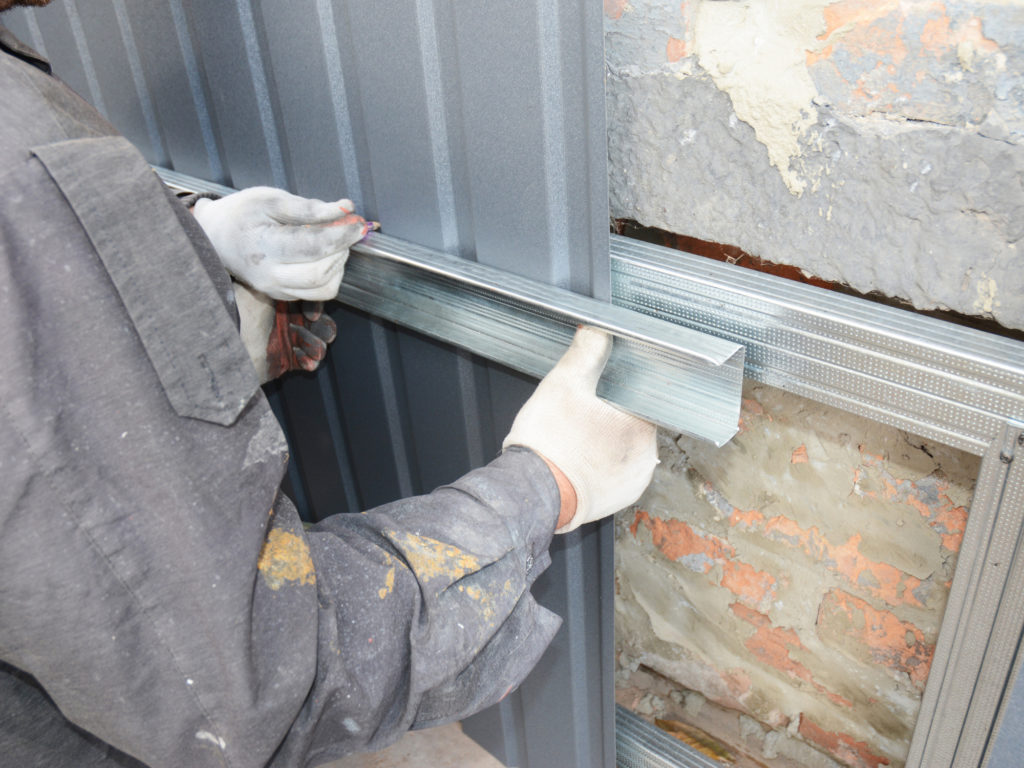
If you have a home, then it is important to make sure that the foundation is in good condition. A damaged foundation can lead to all sorts of problems, including structural damage to your home. In this post, we will discuss some of the reasons why foundation repair is so important. We will also talk about the signs that you need to have your foundation repaired and some of the benefits of doing so. (more…)
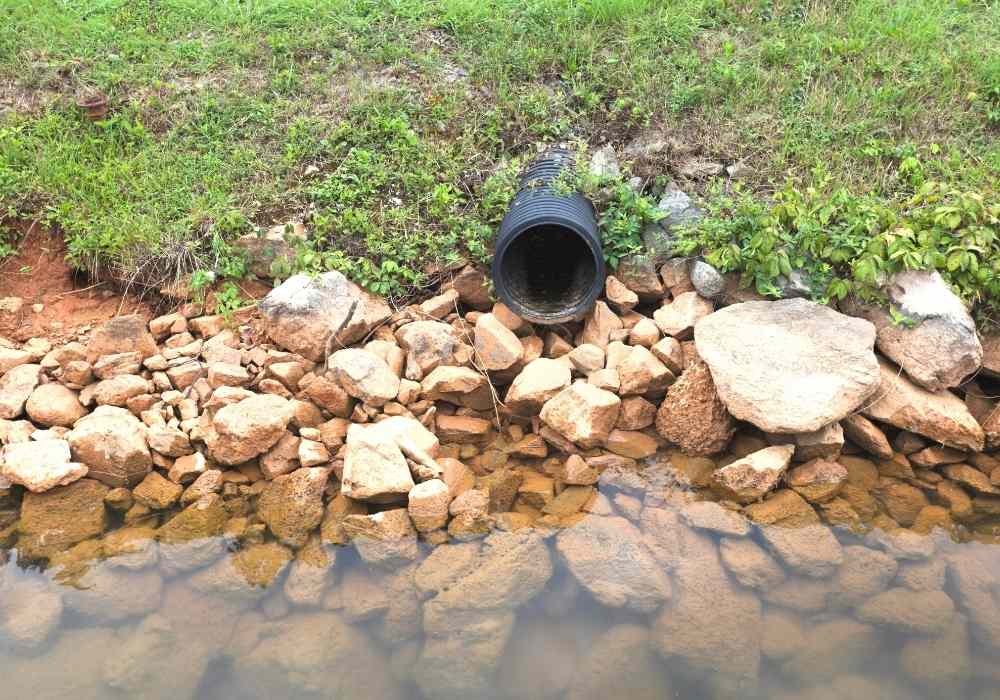
No matter what type of property you own, it’s important to know the basics of drainage. Inadequate water drainage can result in a variety of issues, including structural damage and flooding. In this post, we will discuss the three types of drainage: surface drainage, subsurface drainage, and stormwater management.
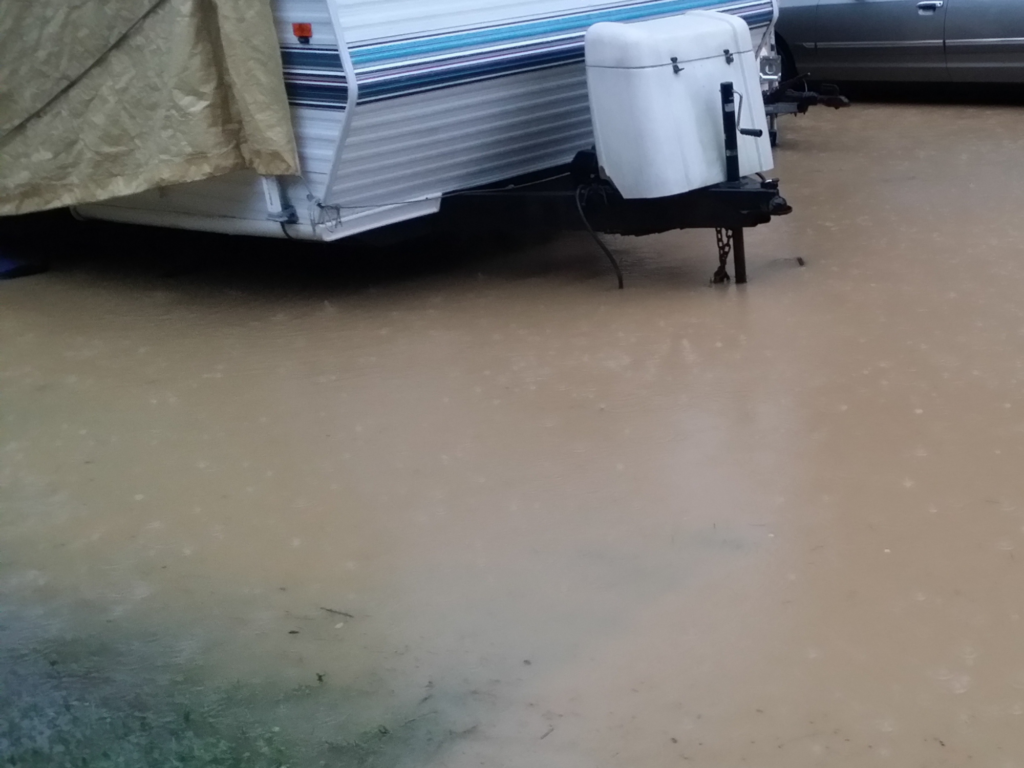
Drainage is an important part of any property, and it’s especially crucial when it comes to yards. When water doesn’t drain properly, it can lead to a variety of problems, from flooding to erosion. In this post, we will discuss how to detect yard drainage problems and how to solve them. Keep reading to learn some tips on how to prevent these problems from happening. (more…)
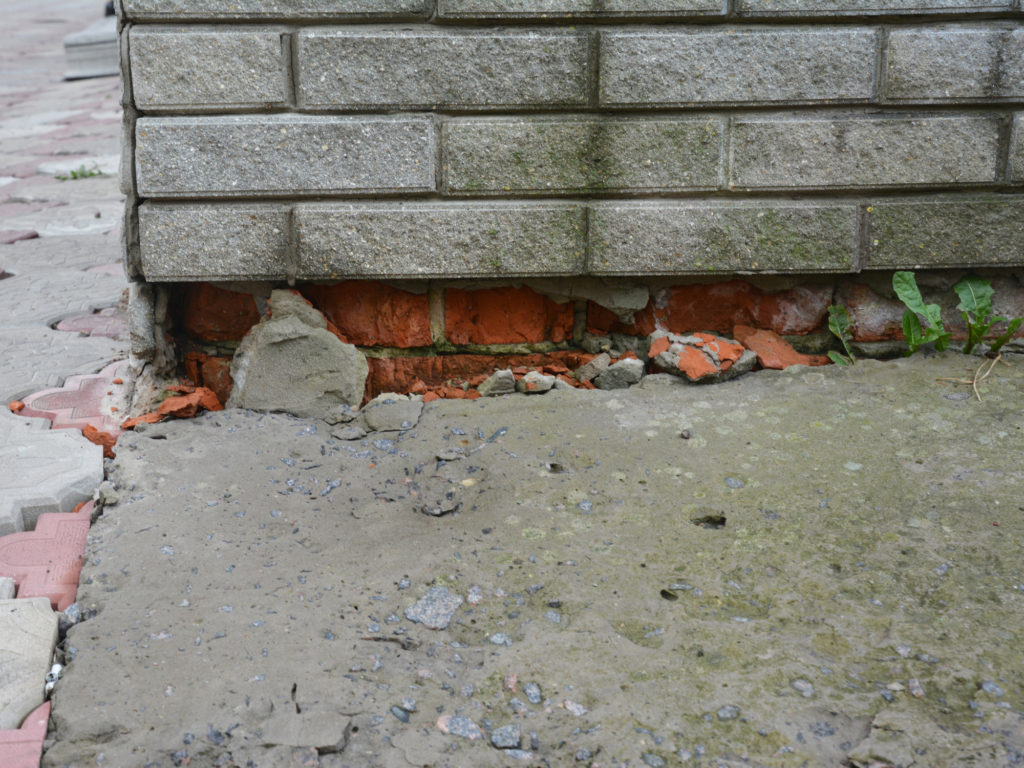
If you’ve been noticing cracks in your walls, floors, or ceilings, it’s possible that you need foundation repair. Many homeowners are unaware of the damage that can be done by a faulty foundation until it’s too late. Let’s discuss some common signs that you need foundation repair, as well as the benefits of getting it done sooner rather than later. (more…)
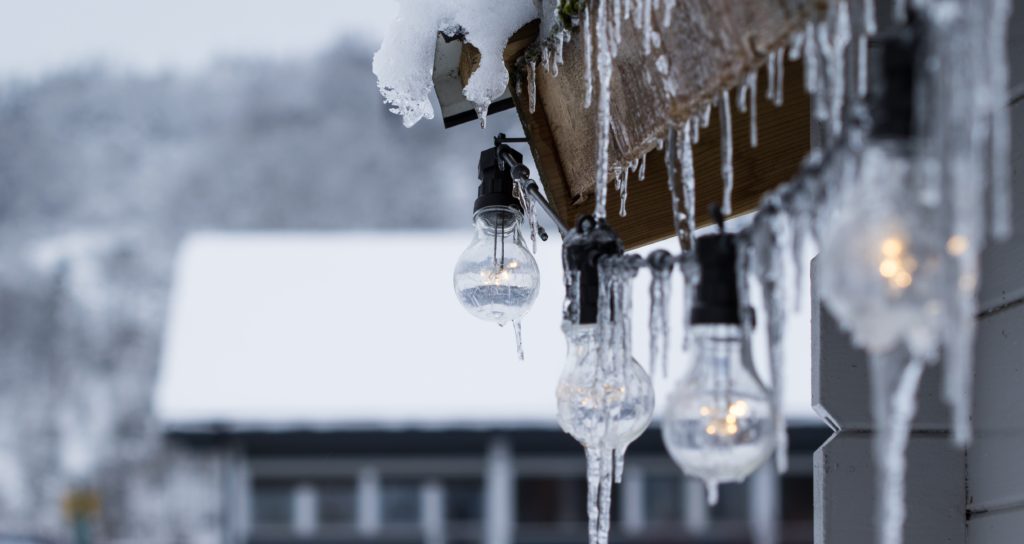
The winter months can be harsh on your home, and your basement is no exception. If you haven’t already done so, it’s important to take a look at your basement for any signs of damage. Leaks, cracks, and water damage can all lead to expensive repairs down the road if not addressed early on. In this blog post, we will discuss how to assess your basement for winter damage and what you can do to fix it!
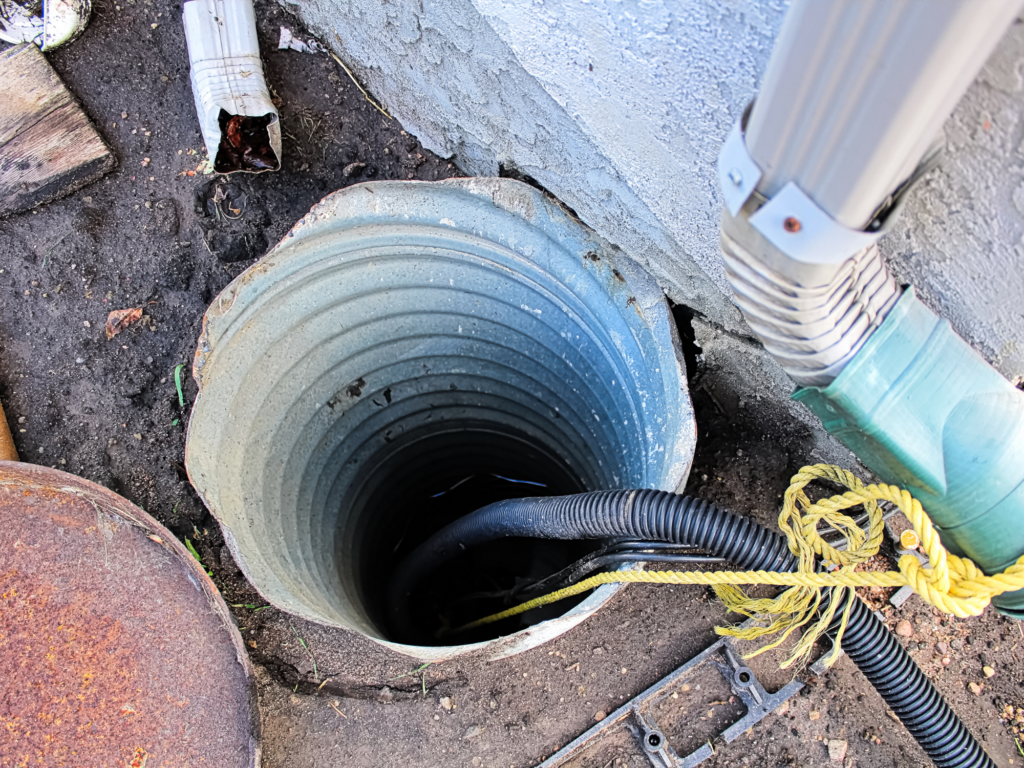
The layperson probably doesn’t know the names of every piece of plumbing technology that keeps their home functional and dry. One of these pieces is a sump pump, and if your house doesn’t have one, its absence will be noticed as soon as flood season comes around.
This lifesaver drains away the water pooling beneath your house before it can cause significant damage to your property, but it goes largely unseen. How does this miracle of plumbing work, exactly? Read on to find out.

Cold weather does a lot more than get you to crank the thermostat and reach for a mug of hot cocoa – it can affect the unseen parts of your home, including your concrete foundation. You might not notice the impact the cold is having on your basement and foundation until it’s too late!
When the weather gets cold, know what effects it can have on your home – here’s what happens to a concrete foundation in winter.